
What belongs in an aluminum cabinet frame CNC setup
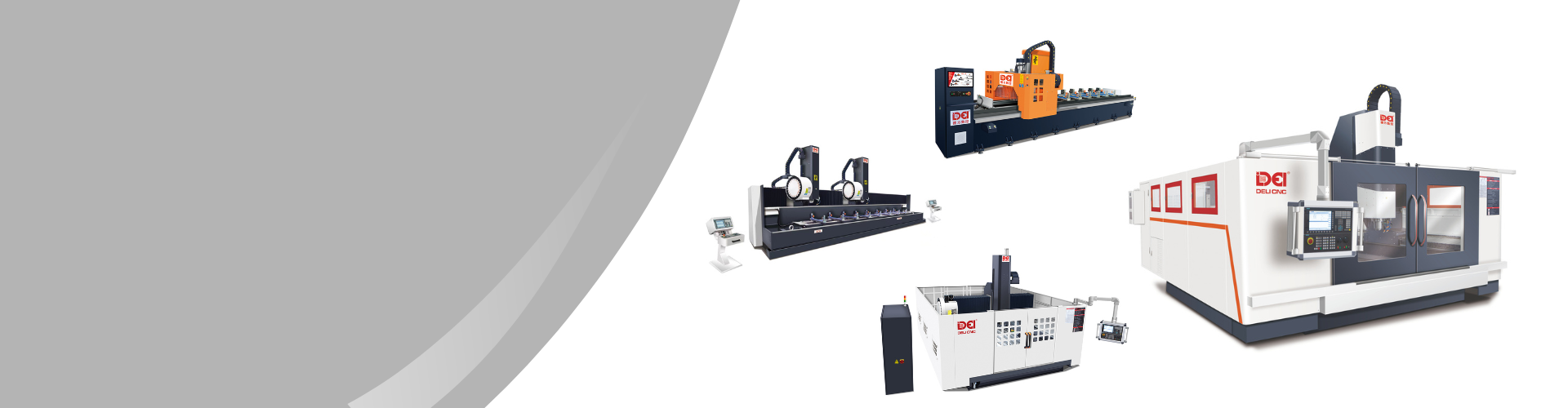
When shops talk about a cabinet CNC machine for aluminum frames, they usually mean a profile machining center that drills, mills, and chamfers the extruded aluminum sections used for cabinet carcasses, door frames, and shelving. DELICNC designs its aluminum profile machining centers for exactly this kind of work, and the cell has three moving parts that each earn their place.
First, the profile machining center is the core. It holds the long extrusion and creates the holes, slots, and chamfers that let the frame go together square. Second, a double-head saw prepares the stock. The frame is only as square as the cut ends, so cutting both ends at once matters more than it first sounds. Third, the fixturing holds thin-wall aluminum steady without denting it, which is harder than it looks on a soft alloy.
The profile machining center is the core
DELICNC aluminum profile machining centers handle round holes, slot holes, hinge fixings, and chamfers on long extrusions in one clamp. For a cabinet side panel that needs a hole on the face and a slot on the edge, a 4-axis profile center can machine several faces without re-clamping. That single change removes most of the cumulative error that comes from unclamping, flipping, and re-fixturing by hand, and it is the reason a dedicated profile center outperforms a general machine for repeat frame work.
A double-head saw cuts the stock
Before any machining, the aluminum profile must be cut to length. DELICNC double-head saws cut both ends in one pass, which keeps the frame square and the two legs of a cabinet identical. A shop making repetitive cabinet uprights gains the most from this step because every piece leaves the saw the same length, and the machining center downstream never has to compensate for a crooked start.
Why a wood router is the wrong tool
Aluminum is not wood. A standard woodworking router lacks the rigidity and chip handling needed for aluminum extrusions. DELICNC explains the difference in its guide to , and the short version is that aluminum needs rigid spindles, correct feeds, and proper extraction. Forcing a wood router onto aluminum frames loads the spindle and tears the surface, which is the fastest way to ruin a batch before the first hole is even drilled.
Choosing the machine class for your frames
Not every cabinet frame needs the same machine, and buying the largest option is rarely the smartest move. Match the class to the part, and the cell stays affordable and fast.
Aluminum profile machining center is the first choice
For cabinet and furniture frames, a is usually the best fit. It is built for long parts and repeats the same hole pattern across hundreds of frames without drifting. If your work is straight extrusions with holes and slots, this is the machine most cabinet shops buy first, and the one they standardize on.
Vertical machining center for the hardware
Small aluminum brackets, hinges, and connectors are better on a . These are the smaller parts that hold a cabinet together, and a VMC handles them with the rigidity that thin aluminum needs. Many shops run a profile center for the frames and a VMC for the fittings side by side, which keeps long extrusions and small castings on separate, purpose-built machines.
Gantry for wide or long frames
If your cabinet frames are wide or you cut long display structures, a DELICNC gantry machining center gives the table length and stiffness that a compact machine cannot. Gantries cost more and take more floor space, so they make sense only when the part size demands them. For a standard kitchen or wardrobe frame, a profile center is almost always enough.
A simple way to decide is to list your longest profile and your typical batch. Short connectors and brackets point to a VMC. Long repeating frames point to a profile center. Anything wider than a standard profile center can hold points to a gantry.
Workspace and utility setup
Plan the cell before the machine arrives. DELICNC machines need stable power, a level floor, and chip management suited to aluminum. Aluminum chips are coarse and pile up fast, so a dedicated bin or extraction keeps the floor safe and the operator clear. Leave clearance for the moving gantry and for loading full-length profiles, because a cell that is tight to walk around slows every batch and invites accidents.
Power matters more than shops expect. A profile center running MITSUBISHI, SIEMENS, or FANUC control needs clean three-phase supply, and a brownout during a cut can scrap a frame. DELICNC provides the exact footprint and utility spec for each model during the consultation, and it is worth confirming those numbers with your facility team before delivery rather than after the machine is on the truck.
Layout also affects throughput. Stage raw profiles on one side of the cell and finished frames on the other so material flows in one direction. A straight flow line cuts handling time and makes it easier to spot a frame that left the saw at the wrong length before it reaches the machining center.
Workholding for aluminum profiles
Thin-wall aluminum deflects under clamp pressure, and a dented section cannot be hidden once the frame is anodized. DELICNC application guidance favors locating fixtures that support the profile along its length instead of pinching it at two points. Soft jaws or profile-specific nests protect the visible surface, which is the part customers see on a finished cabinet, and they spread clamp force so the section stays true.
For cabinet frames, a one-clamp setup that processes the full length in a single load reduces handling marks and shortens cycle time. The goal is to touch the part as few times as possible between the saw and the finished hole pattern. Every extra clamp is a chance to shift the reference and a chance to leave a mark that a customer will notice on assembly day.

Tooling and cutting parameters
Aluminum cuts fast but punishes dull tools. Use sharp carbide end mills and drill bits sized for aluminum, and replace them before the edge goes, not after the surface quality drops. DELICNC machines running MITSUBISHI, SIEMENS, or FANUC controls let you set higher spindle speeds for aluminum than you would for steel, but speed without the right feed per tooth just makes bigger burrs on the exit edge.
Keep feed per tooth moderate to avoid tearing, and add a small chamfer or dwell where the tool leaves the profile. These details sound minor until you are deburring a thousand holes by hand. Good parameters set once, on a machine that holds them, beat a faster number that needs rework on every frame.
Coolant and extraction deserve their own thought. Aluminum does not need the heavy flood coolant that steel demands, but a light mist or proper vacuum extraction keeps chips clear so they do not redeposit on the cutting edge. A clean cut path is a predictable cut path, and predictable is what batch work requires.
A setup checklist before the first cut
Run through this before releasing any batch:
Confirm the profile length and wall thickness against the machine stroke.
Map every hole, slot, and hinge fixing from the cabinet drawing into the program.
Choose fixtures that support the full length of the section.
Load aluminum-specific tooling and verify it is sharp.
Cut a single test frame and check squareness, hole position, and surface.
Only then release the batch to production.
Shops new to aluminum furniture production skip the test frame more than any other step, and it is the step that catches a mislocated hole before the whole order is wrong. The few minutes a test frame costs are nothing next to a scrapped run, so it belongs at the top of the checklist rather than the bottom.
Mistakes that ruin aluminum cabinet frames
A few errors show up again and again in shops moving into aluminum furniture work.
Cutting stock on the wrong saw leaves frames out of square, and no amount of machining fixes a crooked start. Over-clamping thin profiles dents the section where the jaw sits. Using wood-router parameters on aluminum loads the spindle and tears the surface. Skipping the test frame hides a mislocated hole until the batch is finished.
Most of these are fixed by tighter setup discipline rather than new equipment. DELICNC application support exists for exactly this reason: the machine is only half the result, and the setup around it decides whether the frame is straight, square, and clean enough to assemble without rework.
Matching the DELICNC machine to your cabinet frames
DELICNC, founded in 2008 and recognized as a state-level high-tech enterprise, works with furniture and custom home furnishing manufacturers who need stable, rigid equipment. Control and motion components come from partners such as MITSUBISHI, SIEMENS, FANUC, NSK, THK, Schneider Electric, and SMC. Its new energy customers include CATL and SUNGROW, whose production lines need the positional stability that good fixturing helps deliver.
For cabinet frames, the practical path is usually an aluminum profile machining center paired with a double-head saw. Shops making both the frames and the small hardware can add a vertical machining center. Large or wide frame producers should look at a gantry machine. Each step adds capability only when the parts call for it, which keeps the budget pointed at the work instead of at spare capacity.
The segment is one DELICNC serves across curtain wall, custom profiles, and cabinet work, so the same platform thinking applies whether you cut a window mullion or a kitchen cabinet upright. Starting from the part and building the cell around it keeps the investment matched to the work and avoids paying for a machine class you will rarely use.
Machine class comparison for cabinet frames
| Machine class | Best role in a cabinet frame cell | When to choose it |
|---|---|---|
| Aluminum profile machining center | Holes, slots, chamfers on long extrusions | Standard repeating frames, the core of the cell |
| Double-head saw | Cutting stock square to length | Paired with the profile center from day one |
| Vertical machining center | Brackets, hinges, small connectors | You make the hardware in house too |
| Gantry machining center | Wide or long frames and display structures | Part size exceeds a profile center |
Use this table as a buying map rather than a checklist to tick all four. Most cabinet shops start with the profile center and the saw, then add a VMC only when fittings volume justifies it.
FAQs
Can one DELICNC machine make a whole aluminum cabinet?
The frame, yes. A profile machining center makes the sections and a double-head saw cuts them to length. Doors, panels, and fittings often come from other processes, so plan the full cell rather than a single machine if you want the complete cabinet in house.
Do I need a 4-axis or 5-axis profile center?
Most cabinet frames are straight extrusions with holes and slots, which a 4-axis profile center handles without trouble. A 5-axis center adds cost you rarely need for square frames, so it is worth it only for complex angled structures.
How do I stop aluminum burrs on the exit edge?
Sharp tools, correct feed per tooth, and a small chamfer or dwell at the exit. Application support can tune parameters for your specific profile, and the result is usually a frame that needs little or no hand deburring.
Is a wood CNC router enough for aluminum cabinets?
No. Wood routers lack the rigidity and chip handling for aluminum extrusions. The guide covers this in detail, and the practical takeaway is that aluminum frames need a machine built for metal.
What power and floor prep does a DELICNC profile center need?
Stable three-phase power, a level concrete floor, and space for profile loading and chip bins. The company provides the exact footprint and utility specs for each model during consultation, so confirm those with your facility team before delivery.
Build your aluminum cabinet frame cell with DELICNC
Setting up a cabinet CNC machine for aluminum frames comes down to three decisions. Pick the profile machining center as the core, add a double-head saw for stock, and tune workholding and tooling for aluminum. Get those right and the cell pays for itself in square frames and fewer scrapped batches.