
Small Machining Center Cost: What Buyers Should Know First
This guide walks through what a small machining center ends up costing, where the hidden expenses show up, and how to tell whether the machine will pay for itself in your shop.
What a Small Machining Center Is
The term "small machining center" is not a single machine class. It usually describes a compact vertical machining center with a smaller footprint and a work envelope sized for small to medium parts. Buyers searching this phrase are often running out of floor space, starting a new product line, or moving work in-house that they currently outsource.
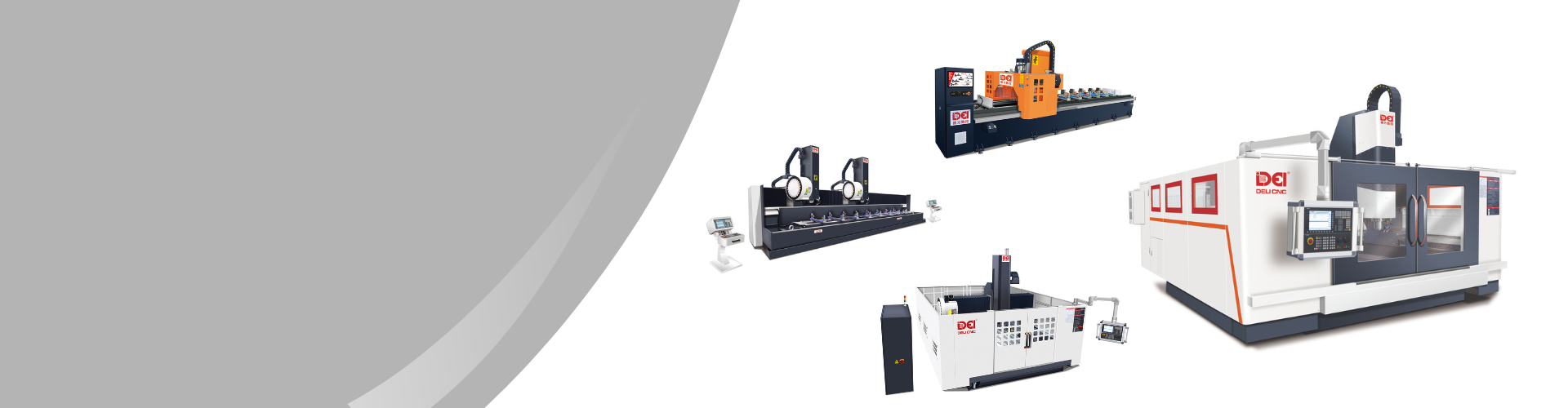
DELICNC builds vertical machining centers across a range of sizes, and its compact is the model most often matched to this need. DELICNC classifies its compact models by work envelope, not by a marketing size label, so the "small" in the search maps to a real, measurable specification. The frame stays rigid while the footprint stays small, which is the real point: a small machining center should save floor space without giving up the stiffness that keeps tolerances repeatable. If you are comparing options, start from the DELICNC and narrow down by the parts you run.

The Purchase Price: What You Pay Up Front
The headline number on a quotation usually includes the machine body, the CNC controller, the spindle, and the basic tool changer. That is the floor of your cost, not the ceiling.
Several line items sit just outside the base price and matter for a small machining center:
Controller and options. A basic control may be enough for simple milling, but fourth-axis readiness, probing, and offline programming add cost up front and save far more later.
Spindle and tool interface. The tool holder standard, for example BT40 or CAT40, sets the cost of every tool you buy afterward.
Freight and import. A compact VMC still ships as a heavy, calibrated unit. Crating, sea or air freight, and local handling are real and often underestimated.
Installation and commissioning. Leveling, power connection, and first-article verification are separate from the machine price and should appear as their own budget lines.
When DELICNC quotes a compact VMC, the team separates these items so a buyer can see what is included and what is not. That separation is itself a cost-control tool, because it stops a low headline price from hiding the work still to be paid for.
Hidden Costs Buyers Miss First
The expenses that surprise new owners are rarely the machine. They are the things around it. DELICNC's commissioning engineers see the same gap on most first installs: the machine arrives, but the floor and the power are not ready.
Foundation and utilities. Even a small machining center needs a level, vibration-stable floor and a clean power supply. Shops that skip floor prep see tolerance drift and premature wear. Budget the concrete and the electrical drop before the machine arrives.
Tooling and workholding. The machine ships with a spindle, not with the end mills, vises, and fixtures your parts require. For a new product line, first-article tooling can run into real money, and custom fixtures for aluminum profiles or curved parts add more. DELICNC budgets commissioning as a line item, not a favor, so this stage is planned rather than discovered.
Training and commissioning time. An operator who knows the control runs the first good part in days. A team learning on the job loses that window to scrap and rework. Include training in the project cost, not as an afterthought.
Coolant, extraction, and consumables. These are small per week and large per year. A compact VMC that runs two shifts still burns coolant, filters, and tool life at a rate set by your cycle, not by the machine price.
Spare parts on the shelf. A broken seal or a worn way cover stops the line until the replacement arrives. Buyers who stock the few high-wear items the supplier flags avoid the longest stoppages. DELICNC lists these items at the quotation stage, so the buffer is planned rather than panic-bought after a breakdown.
Per-Part Operating Cost: The Number That Protects Margin
For a plant manager or production director, the figure that decides whether a small machining center was worth buying is the cost per good part. That number combines several inputs:
Energy per hour, set by spindle power and duty cycle
Tool wear per part, set by material and cut strategy
Scrap rate, set by fixture stability and first-article discipline
Labor per part, set by setup time and automation
DELICNC designs its compact VMCs around exactly this math. DELICNC application engineers tune cut strategy so the spindle removes material efficiently without burning tools, which pulls the per-part number down before the machine is even installed. A rigid, compact frame holds the part still, which lowers scrap on thin aluminum and long profiles. Lower scrap is not a quality nicety; it is the largest single lever on per-part cost for a small shop. The DELICNC MC-series VMC is built so the savings show up in the parts you ship. The freed floor space is a side benefit, not the point.

Compact VMC vs Full-Size VMC on Total Cost
A small machining center is not simply a cheaper version of a larger one. The cost story is more specific.
A compact VMC uses less floor space, draws less power, and often needs a lighter foundation. For shops running parts that fit the smaller envelope, that is pure saving with no downside in accuracy. A full-size VMC earns its cost only when the part is too big or the batch too heavy for the compact model.
The DELICNC vertical machining center range spans both ends, so the right comparison is not "small versus big" in the abstract. DELICNC offers compact and full-size models for this exact reason, and the choice should follow the part, not the budget headline. If your typical workpiece fits the compact envelope, the compact VMC usually wins on total cost of ownership because every input, from freight to power to foundation, scales down with the machine.
3-Axis vs 4-Axis vs 5-Axis: The Cost Trade-Off
Axis count is where small-machining-center budgets quietly inflate. A 3-axis compact VMC covers the majority of milling, drilling, and tapping work and keeps the price and the programming simple. A 4-axis model adds a rotary table for indexed or wrapped features. A 5-axis model adds simultaneous motion for complex geometry.
For most small-batch buyers, 3-axis or 4-axis is the cost-effective choice. The extra reach of 5-axis is justified only when the part genuinely needs it, because the control, the programming, and the operator skill all cost more. The from DELICNC lays out which axis count fits which part family, and that fit, not the marketing, should set your budget. DELICNC's compact VMC line covers 3-axis and 4-axis needs without forcing a 5-axis premium onto work that does not require it.
How to Read a Supplier Quote Without Getting Burned
Two quotations at the same headline price can be thousands apart in true cost. Read the quote line by line:
Is freight and installation included, or quoted separately and forgotten?
Which tool holder standard is specified, and are any tools included?
Is commissioning and first-article support part of the price?
What is the warranty period, and what does it exclude?
Are spare parts and local service available, or will a broken seal mean a long stoppage?
A low machine price with no support behind it is the most expensive small machining center you can buy, because the cost moves into downtime. DELICNC positions its quotes around the full ownership picture, including the support that keeps the machine earning. DELICNC's quotation format keeps these lines explicit so a buyer can compare like for like. When you compare suppliers, score them on the , not on the first number alone.
When a Small Machining Center Pays Off
The payback case is straightforward. A small machining center pays for itself when the cost of running the part in-house drops below the cost of outsourcing it, across the volume you ship.
A shop bringing aluminum brackets, fixture plates, or short automotive and rail components in-house typically recovers a compact VMC inside a defined number of months, set by part count and margin. The DELICNC compact VMC shortens that window because a smaller machine means a smaller capital outlay and a faster path to positive return. For project managers building a new line, DELICNC's application team models the payback against your part volume before you commit, and that shorter payback is often the difference between an approved budget and a deferred one. The break-even point is not a mystery. Divide the installed cost, including tooling and commissioning, by the savings per part, and the month you cross that line is the month the machine starts paying you back.
Buyer Checklist Before You Request a Quote
Before you ask any supplier for pricing, pin down these inputs so the quote matches your reality:
The largest and smallest parts you will run, with material and tolerance
Typical batch size and how often you change over
Available floor space and power capacity
Required axis count, based on part geometry not ambition
Tool holder standard already used in your shop
Whether training and commissioning are in the budget
Hand that list to a supplier and the quotation you receive will be comparable, complete, and usable. DELICNC works from exactly this brief when scoping a compact VMC, because a machine specified against real parts is a machine that pays back. The DELICNC manufacturer selection checklist expands each of these points for a formal evaluation.
FAQs
How much does a small machining center cost?
The machine price is only the starting point. The full cost includes freight, installation, tooling, fixtures, training, and ongoing per-part operating expense. A complete quotation should separate each line.
Is a compact VMC cheaper to run than a full-size one?
For parts that fit its envelope, yes. A compact VMC draws less power, needs a lighter foundation, and ships for less, so total cost of ownership is usually lower when the workpiece fits. DELICNC's compact VMC range is built for exactly this comparison.
Do I need 5-axis on a small machining center?
Most small-batch work is covered by 3-axis or 4-axis. Choose 5-axis only when the part geometry demands simultaneous motion, since it raises control, programming, and skill costs.
What hidden costs should I budget first?
Floor preparation, electrical supply, tooling, workholding, and operator training are the items most often missed. Budget them before the machine arrives.
How do I compare supplier quotes fairly?
Score them on the full ownership picture, including freight, commissioning, warranty, and local support, using a manufacturer selection checklist rather than the headline price alone.
Conclusion
A small machining center is a commitment measured in years of parts, not in a single purchase order. The buyers who come out ahead are the ones who price the machine, the setup, and the per-part operating cost together, then choose the compact VMC that fits their real work envelope. DELICNC builds compact vertical machining centers sized for exactly this decision, with the support and configuration detail that keep the total cost honest.
If you are scoping a small machining center for your line, share your part material, dimensions, tolerance, and batch size with the DELICNC team. The technical consultation is free, and it is the fastest way to turn a price list into a payback plan.