
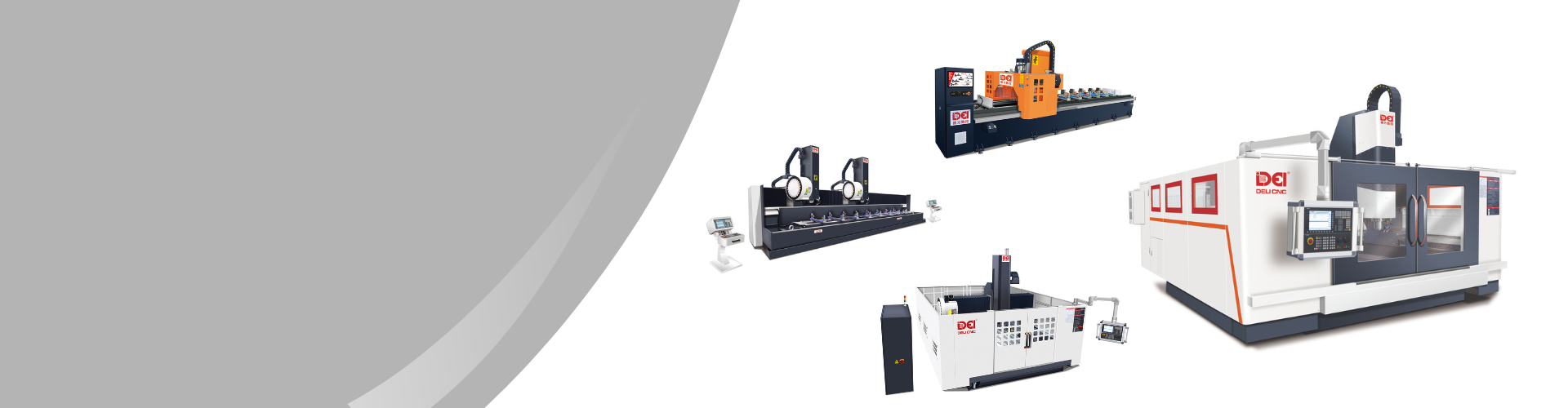
double head cutting machine—more often called a double-head saw—cuts an aluminum profile from both ends in a single operation. For fabricators of windows, doors, curtain walls, PV frames and custom furniture, it is the upstream workhorse that sets throughput, cut accuracy and material waste long before any CNC machining center touches the part. This guide explains what the machine is, how it works, where it pays off on the shop floor, and how to choose a model that fits your production volume and tolerance requirements. It also covers the cutting defects that quietly erode margin, the blade and parameter choices that control them, and the installation and payback factors that decide whether the purchase actually pays off.
What Is a Double Head Cutting Machine
A double-head saw mounts two cutting heads on a common, rigid frame. Both blades cut the workpiece simultaneously—or independently when only one end needs trimming—at preset angles. The defining advantage over a single-head saw is that mitered frame corners are produced in one setup: there is no flip-and-re-cut step, so joints stay square and consistent across a full production run.
DELICNC builds that span manual swing-arm units for low-volume shops up to seven-axis compound-angle CNC models for high-mix façade production. The common thread is synchronized, repeatable cutting of aluminum extrusions with minimal operator intervention.
How a Double-Head Saw Works
Understanding the cutting cycle helps explain why the machine is so efficient for profile work:
Dual-head synchronized cutting – Both saw heads descend or swing together while the profile is held by pneumatic clamps. Cutting length is set by positioning the heads or by automated feeding, so the operator never measures and marks each bar by hand.
Angle control – Standard machines handle 45° and 90° cuts. CNC models add arbitrary and compound angles, letting a single program produce the varied miter geometry found in curtain wall mullions and transoms.
Material support – Manual roller support racks prevent long profiles from sagging or slipping during the cut, which protects both accuracy and operator safety.
Blade stability – A precision direct-connected sawing motor keeps blade vibration low, producing burr-free, accurate cut surfaces that need little secondary deburring.
The frame itself matters as much as the blades. Because both heads are referenced to the same base, the two cut faces stay parallel and the included angle stays true even as the machine ages—provided the base is properly leveled and the guide rails are kept clean. That is why rigid cast or welded steel structures outperform lightweight frames in high-volume plants: they hold geometry shift after shift instead of drifting as the day warms up.
Types of Double Head Cutting Machines
Buyers generally choose among three tiers:
Manual / semi-automatic double-head saws – Cost-effective and straightforward. Best for shops with stable, repeatable angle requirements and moderate volume.
CNC double head saws – Programmable angles, automatic feeding and higher repeatability. The LP-900A-650 and LP-900G models cut industrial and curtain wall aluminum profiles at arbitrary angles with both heads working together or independently.
Compound-angle / seven-axis saws – The LP-F900 large seven-axis compound miter saw delivers multi-angle cutting for aluminum curtain walls, industrial profiles and structural extrusions, combining servo-driven control with robotic-grade accuracy for modern fabrication shops.
For most aluminum fabricators, the decision is less about "manual vs CNC" and more about how many different angles and how much daily volume the line must absorb.
Where Double Head Saws Deliver Value
The machine earns its keep wherever long aluminum extrusions must be cut to length and angle before further processing:
Windows and doors – High-volume 45°/90° frame cuts with consistent corner quality.
Curtain wall and façade – Mullions, transoms and compound-angle components for unitized systems. DELICNC's integrates drilling, milling, tapping, chamfering and cutting in one automated workflow, so saw-cut blanks move straight into finishing without re-fixturing.
PV brackets and solar frames – Repetitive aluminum extrusion cutting where small per-part savings compound across thousands of units.
Furniture and custom home – Aluminum frame production for modular and bespoke furniture. DELICNC's capability covers automatic sawing lines that feed downstream assembly.
Rail transit and industrial aluminum – Long structural profiles where straight, square cuts protect weld and assembly quality downstream.
Double Head Saw vs CNC Machining Center: Which Do You Need
A double-head saw only cuts. A machining center mills, drills, taps and bores. They are complementary, not competing, and most mature shops run both.
Capability Double Head Saw CNC Profile / Machining Center Primary function Length & angle cutting of profiles Drilling, milling, tapping, chamfering Best for High-volume raw cut-to-length Complex features in one setup Cycle speed (per cut) Very fast Slower, feature-dependent Typical investment Lower Higher Labor per part Low (auto-feed CNC) Low (but more programming)
When the part needs holes, slots or end-milling after the cut, a handles precision milling of complex metal parts, while a suits large-scale workpieces that exceed a vertical machine's envelope. In practice, fabricators use the double-head saw to rough-cut blanks, then route them to the appropriate machining center for finishing—keeping the expensive multi-axis time focused on value-added operations.
A useful way to think about it: the saw defines the blank, the machining center defines the feature. Trying to use a machining center for high-volume raw cut-to-length wastes spindle hours on work a saw does ten times faster. Trying to use a saw for drilled and milled features simply is not possible. Sizing the two together—rather than buying each in isolation—is what keeps a fabrication line balanced.
Common Cutting Defects and How to Prevent Them
Most "saw problems" are actually process problems. Knowing the failure modes before they show up in scrap lets you spec the right machine and set the right parameters.
Burr Formation on the Cut Face
Burr is the most common complaint on aluminum profiles. It grows when the blade is dull, the tooth count is wrong for the wall thickness, or the feed is too aggressive. A precision direct-connected motor that minimizes vibration is the first line of defense; the second is matching blade geometry to the section. Light-gauge extrusions need fine-tooth blades and controlled feed, while heavy structural sections tolerate coarser teeth at higher removal rates.
Angle Deviation and Corner Mismatch
When mitered corners do not close, the cause is usually head positioning drift or insufficient clamping. Pneumatic clamping that holds the profile against a fixed datum keeps the cut plane where it belongs. On manual machines, operator-dependent length stops are the weak link—which is exactly why high-mix shops move to CNC heads with servo positioning.
Profile Sag and End Deformation
Long bars flex under their own weight. Without roller support, the far end drops, the cut angle changes, and the joint opens. Roller support racks are not an option on long profiles; they are a requirement. For very long structural members, look at automated infeed systems that support the bar along its full length rather than at two points.
Blade Wear and Chipping
Aluminum loads carbide edges with built-up edge and, worse, with embedded abrasives from extrusion die residue. Running the correct surface speed, keeping the blade clean, and using the right lubricant stretch blade life from hundreds of cuts to many thousands. Tracking blade hours is one of the cheapest reliability habits a fabrication shop can adopt.
Heat and Thermal Growth
Cutting generates heat. On a long bar, the cut end expands slightly and then contracts, so a "perfect" cold measurement can differ from the hot cut. This matters most on tight-tolerance curtain wall and structural work. Stable, repeatable feed and minimal dwell time keep thermal growth predictable enough to compensate for.
Blade Selection and Cutting Parameters for Aluminum
The saw is only as good as the blade and the parameters around it. A few principles hold across almost every aluminum fabrication cell.
Blade type – Tungsten carbide tipped (TCT) circular blades are the standard for aluminum profiles. Tooth geometry should suit the material: alternate top bevel or triple-chip grind clears chips well on extruded sections.
Tooth count – Thin-wall profiles want more teeth for a clean edge; thick structural sections want fewer, larger teeth to evacuate chips. Too few teeth on thin wall tears it; too many on thick section loads and burns.
Surface speed – Aluminum cuts cleanly at high peripheral speeds, but the limiting factor is usually the motor and the clamping, not the material. Stay inside the blade maker's rated range and let the machine's rigidity set the ceiling.
Feed rate – Feed controls bite per tooth. Too fast chatters and burrs; too slow rubs and work-hardens the surface. The right feed leaves a bright, burr-light face with minimal secondary deburring.
Lubrication – Many modern aluminum saws use minimum quantity lubrication (MQL) or dry cutting rather than flood coolant. MQL cuts coolant cost and disposal, keeps the shop cleaner, and is usually enough for aluminum because the material machines easily. Confirm the approach with the supplier for your alloy mix.
Chip evacuation – Chips trapped in the kerf scratch the cut face and load the blade. Good blade geometry plus an air or brush clearing system keeps the kerf clean through a long run.
How to Choose a Double Head Cutting Machine
Use this checklist before requesting a quote:
Profile size and cutting length – Confirm the maximum section height/width and the longest bar the machine must handle in one pass.
Angle range – If you only cut 45°/90°, a standard machine is enough. Compound or arbitrary angles require a CNC model such as the LP-900A-650 or LP-F900.
Material – Most DELICNC saws are built for aluminum alloys and light industrial profiles; match blade and clamping to your actual stock.
Control and automation – Manual swing-arm for low mix; CNC with automatic feeding for high mix and lights-out shifts.
Accuracy and repeatability – Look at clamping design, blade-motor rigidity and vibration control—these decide cut-surface quality more than headline specs.
Throughput and total cost of ownership – Weigh cycle time, labor, energy and maintenance, not just the sticker price.
Line integration – Consider how the saw connects to an automated sawing or curtain wall production line to remove manual handling.
Supplier support – Installation, commissioning, spare blades and response time matter more than the brochure once production is running.
Installation, Commissioning and Maintenance
A saw that arrives and sits is a sunk cost. Plan the surrounding work as carefully as the machine itself.
Site preparation – Level foundations, stable power, and clean dry compressed air at the rated pressure. Pneumatic clamping and blade systems depend on consistent air, so a weak compressor shows up as inconsistent cuts.
Commissioning – Have the supplier verify head alignment, angle calibration and clamping force on your actual profiles, not just on a test bar. First-article checks on your stock catch errors a generic commissioning run misses.
Operator training – Teach the team to set length stops, load programs, and read the first-article result. Most "machine faults" in the first months are actually setup mistakes.
Daily and weekly maintenance – Clear chips from the kerf and rails, check clamp pads, and verify blade hours. A five-minute end-of-shift routine prevents most unplanned downtime.
Spare parts and response – Keep at least one blade and one set of clamp pads on the shelf, and confirm the supplier's response time for commissioning support. DELICNC's turnkey approach bundles installation, commissioning and training, which matters most during the first production weeks when small issues are most disruptive.
FAQs
Can a double head saw cut steel as well as aluminum?
DELICNC's double-head saws are engineered primarily for aluminum alloys and industrial aluminum profiles. Cutting steel demands different blades, clamping force and cooling, so confirm material compatibility with the supplier before specifying.
Do I need a CNC double head saw or is manual enough?
If your angles are fixed and volume is modest, a manual or semi-automatic unit is sufficient. Choose CNC when you need arbitrary or compound angles, automatic feeding, or lights-out operation across many profile types.
How do I size a double head saw for my production?
Start from your longest and largest profile, your required angle range, and daily batch count. Those three numbers determine cutting length, control type and feeding automation—the rest follows from your total-cost-of-ownership target.
Why do my cuts come out with burrs?
Burrs usually trace back to a dull blade, wrong tooth count for the wall thickness, or feed that is too aggressive. Match the blade to the section, control feed, and keep the blade clean; a stable, low-vibration motor makes the difference between a burr-light face and a secondary-deburring job on every part.
How long does a saw blade last on aluminum?
Blade life depends on alloy, wall thickness, feed and lubrication. With the right blade and MQL or dry cutting, carbide-tipped blades on aluminum run far longer than on steel—tracking blade hours and replacing before chipping begins is the cheapest way to protect cut quality.
Should the saw be flood-cooled or use MQL?
For aluminum, MQL or dry cutting is usually sufficient and cheaper to run and maintain than flood coolant, while keeping the shop cleaner. Flood cooling is more common on steel; confirm the right approach with the supplier for your specific alloy mix.
What power and air supply does a double head saw need?
Requirements vary by model, but plan for stable three-phase power and clean, dry compressed air at the rated pressure, since pneumatic clamping and blade systems depend on consistent air. Verify exact values against the chosen model's specification before site preparation.
Conclusion
A double head cutting machine is a deceptively simple purchase with outsized impact on throughput, scrap and downstream quality. Match the angle range, automation level and material focus to your real production mix, and treat it as one cell in an integrated fabrication line rather than a standalone buy. The shops that get the most from a saw are the ones that also get the blade, the parameters and the maintenance routine right—because those are where margin is quietly made or lost.