
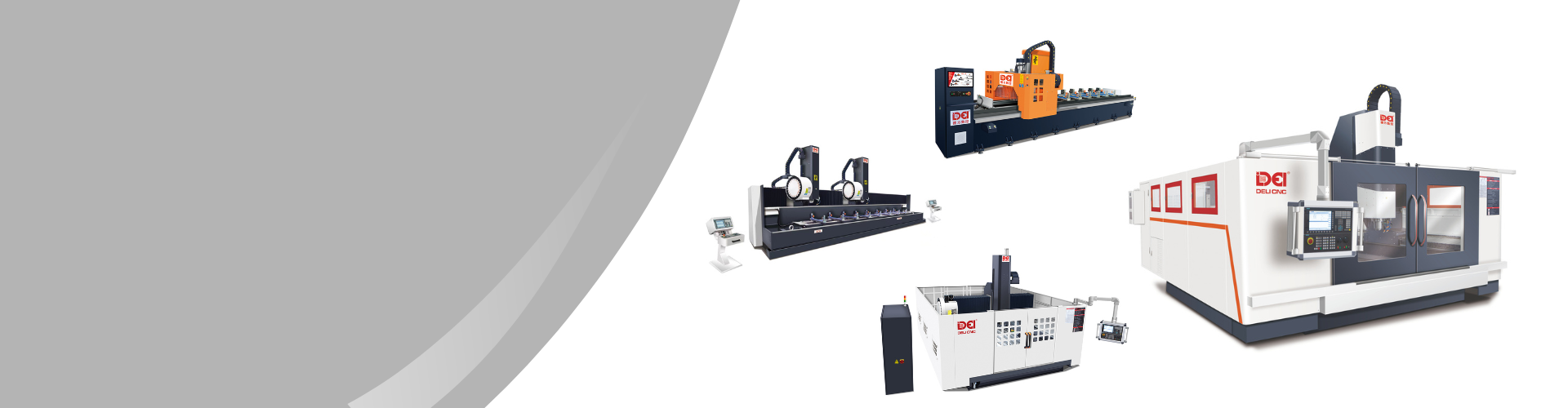
A product team sends a CAD file to an outside shop, waits two weeks, and gets back three parts that do not quite fit. The fix needs a new file, another two week loop, and another invoice. CNC prototyping done in-house changes that loop. With a machining center on the floor, the same team can go from a changed model to a physical part in a day, check it on the bench, and cut the next version before the outside shop would have replied to the email. This article explains how in-house CNC prototyping works, what the first-part workflow looks like, and how to choose a machine that makes the first part fast instead of frustrating.
Why build prototypes in-house
Outsourced CNC prototyping is a good fit for a one-off part you will never make again. It breaks down when the design is moving. Every revision is a new quote, a new queue, and a new wait. When a team runs its own CNC machining center, the constraint shifts from how fast a vendor can ship to how fast the team can re-cut. That difference is what makes in-house CNC prototyping worth discussing for any shop that iterates.
The second reason is control. A prototype is not just a shape. It is a test of material, wall thickness, hole position, and assembly fit. When the machine sits next to the engineering bench, the person who drew the part can also watch it being made, measure it, and change it. DELICNC works with automotive parts suppliers, curtain wall fabricators, and furniture fittings makers who moved prototyping next to production instead of across a border, and the pattern repeats: shorter loops, better parts, fewer surprises at sign-off.
The third reason is cost on small runs. A single machined bracket from a service can cost more per part than the same bracket made ten at a time on your own machine, once the machine is already in the building. The saving is not in the hourly rate. It is in removing the markup, the shipping, and the waiting from every loop, which is exactly where prototype programs bleed budget.
What in-house CNC prototyping means
In-house CNC prototyping is using a CNC machining center you own to turn a CAD model into a real, testable part. It is different from running a prototyping service. You validate your own designs faster instead of selling machined parts to other companies. The machine can be a vertical machining center for prismatic parts, a gantry for long or large workpieces, or a 5-axis profile center for complex aluminum sections. The point is that the capability lives on your floor.
This matters because DELICNC builds machines, not a job shop. The aim is to help a team decide whether owning the right machining center is the faster, cheaper path to its first good part, and which DELICNC model fits the work before any purchase. No one here is trying to book a prototyping order.

The first-part workflow, step by step
A clean in-house loop has five steps. Keeping them tight is what makes fast real, because each step feeds the next without a hand-off to a vendor who is asleep when your idea lands.
Step 1: Lock the CAD model
Start with a model that has real wall thickness, draft where parts release, and holes sized for the tools you already have. Thin walls and tiny internal features are the two things that turn a quick prototype into a long fight. Spend the time in CAD, because every hour there saves a day on the machine, and a model that is honest about manufacture is the cheapest insurance a first part can have.
Step 2: Generate toolpaths in CAM
CAM turns the model into toolpaths. For a first part, keep it simple: a few roughing passes, one finishing pass, and conservative speeds until the part is proven. DELICNC machines ship with control systems from partners such as MITSUBISHI, SIEMENS, and FANUC, and the post-processors line up with common CAM output, so the step from file to code stays short and the first cut is not delayed by a settings chase that eats the day.
Step 3: Set up and cut the first piece
Clamp the stock, load the tools, and run. The first part is a learning part. It tells you where the model was optimistic and where the machine needs different support. A DELICNC vertical machining center handles most first parts because prismatic brackets, plates, and housings are the bulk of what teams prototype, and the rigid column keeps the early cuts honest instead of letting chatter write the tolerance for you.
Step 4: Measure against the drawing
Check the first part on the bench or with a measuring arm. Note every dimension that drifted. The drift is information, not failure. It shows which features need a fixture, a different clamp, or a tighter tolerance on the next cut, and that feedback only arrives quickly when the machine and the inspector share a room rather than a shipping label.
Step 5: Iterate while the file is still open
Change the model, regenerate the toolpath, and cut again. This is the step outside shops cannot match on speed, because the loop stays inside one room. Teams that prototype in-house often reach a proven part in three to five cuts where an outsourced loop would take three to five weeks, and DELICNC sees that gap close the moment the first center is commissioned and the team stops waiting on a vendor's queue.
Picking the right machine for prototyping
The machine decides how painless the first part is. Three choices cover almost every prototyping need, and the right DELICNC model depends on the parts you make rather than on a brochure headline.
A vertical machining center is the default for small and medium prismatic parts. Brackets, flanges, enclosures, and test fixtures all fit a VMC bed. If most of your prototypes are under a meter and flat-ish, this is where to start. DELICNC's vertical machining center line, including the , covers the range most shops prototype on first, and the same platform scales from a standard 3-axis build to a configured line as volume grows.
A gantry machining center earns its place when the part is long or large: curtain wall mullions, rail transit extrusions, or wide panels. Trying to prototype those on a small VMC means staging and re-clamping, which defeats the speed goal. The gantry versus vertical decision comes down to part size and how often you make big pieces, and a short helps settle it before you buy. DELICNC gantry centers are built for exactly these long workpieces, with the beam and column sized for the deflection that thin aluminum extrusions show under a climbing cut.
A 5-axis machine matters when the part has angles you cannot reach in one setup. Fewer setups means less stacked error and a first part that matches the model the first time. For complex aluminum sections, a DELICNC 5-axis profile machining center is the targeted option, because the rotary and tilt axes hold the part in place while the cutter reaches the features a 3-axis bed would need three fixtures to hit. DELICNC offers this capability on both profile and bridge-type centers, so the choice follows the part rather than the budget.
What you can prototype on a CNC machining center
The range is wider than most teams expect. Common in-house prototypes include automotive brackets and jigs, fixtures for assembly lines, enclosure panels, furniture fittings, PV bracket samples, and curtain wall mock-ups. The question has a long answer, and DELICNC covers most of it across its machining center range, so the prototype you have in mind is likely already within reach of a center you could own today.
First-part mistakes worth avoiding
New in-house teams repeat the same errors on the first few parts. Tall thin walls flex during cutting. Undersized holes need hand rework. Wrong stock size wastes a clamp and a morning. A short list of maps directly onto the first prototyping loop, and reading it before the first cut saves more time than any upgrade. DELICNC's application team points new owners at exactly these checks during commissioning, so the early parts teach the right lessons instead of repeating the same ones.
When in-house wins, and when it does not
In-house CNC prototyping pays off when designs change, volumes are low, and lead time matters. It is weaker when the part needs a process you do not have: heat treatment, large castings, or exotic materials outside your tool range. The honest move is to own the machine for the parts you iterate on weekly, and outsource the rare one-off that needs a process you will never repeat. DELICNC frames the decision this way with new owners, because a center that sits idle on the wrong work is worse than a vendor you call twice a year.
The bridge matters too. A DELICNC machining center that proves a design can also produce the first short run, so the same setup carries you from prototype to low-volume without re-qualifying a supplier. That bridge is where in-house ownership shows its full return, because the part your customer approved is the part your line already knows how to make.
FAQs
How fast can I get a first part in-house?
With the CAD ready and stock on hand, a simple bracket can go from file to measured part in a single shift. Complex angled parts take longer, but the loop stays inside your own building, so the wait is machine time, not vendor queue time.
Do I need 5-axis to prototype?
Not usually. Most first parts are prismatic and fit a 3-axis or 4-axis vertical machining center. A DELICNC 5-axis center is the right call when the geometry needs angles you cannot reach in one clamp, because it removes the setup stack-up that hurts first-part accuracy.
Is in-house cheaper than a service?
For one part, a service may win on setup you do not own. For parts you revise often, owning the machine removes the per-loop markup and wait, and DELICNC sees this trade-off tilt toward ownership as soon as revision count climbs past a handful.
What material should the first part use?
Use the production material when the test depends on real properties. Use a cheaper aluminum or plastic when you are only checking fit. The first cut is about learning the shape, not proving the alloy, so do not over-spec the stock on a part you will throw away.