
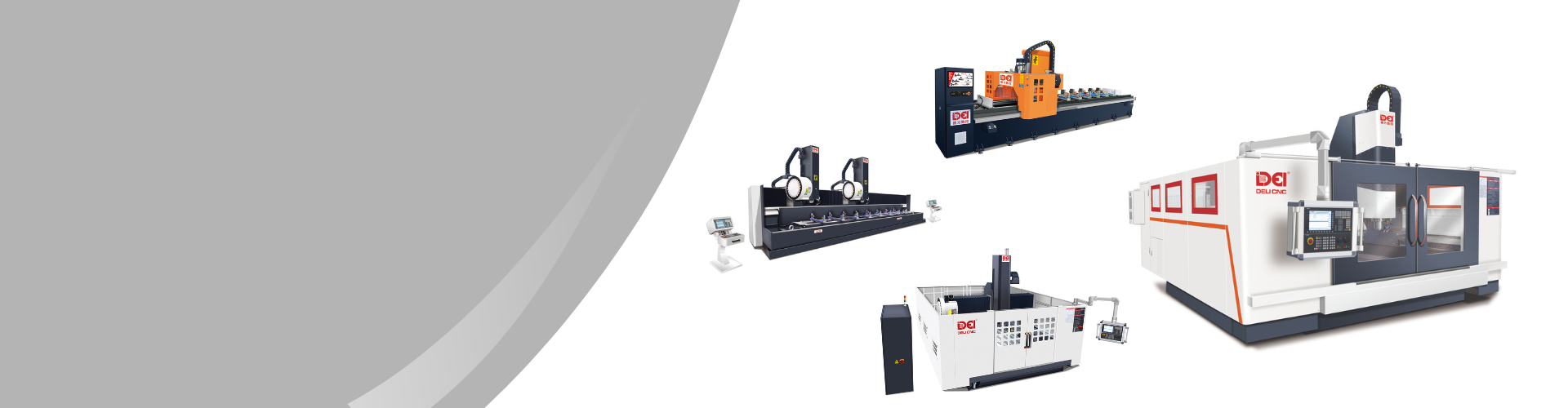
VMC Machine: Types, Full Form, Uses & How It Works
Introduction
Manufacturing demands precision and efficiency. The Vertical Machining Center (VMC) delivers both. With its vertical spindle design, the VMC has become a standard in modern production facilities—from automotive plants to medical device factories.
I've seen shops struggle with the choice between VMC and other machine types. The truth is, there's no universal "best" machine—only the right one for your specific work. This guide explains what makes VMC machines useful and how they transform raw materials into accurate parts.
What Is a VMC Machine
A VMC machine, or Vertical Machining Center, is a CNC machine tool that uses a vertically oriented spindle for milling, drilling, and tapping. It's essentially an automated version of a traditional milling machine, controlled by computer commands.
The spindle holds a cutting tool and moves up and down. This setup works well for CNC milling, allowing you to create complex parts with good accuracy. I've worked with shops that switched from manual mills to VMCs and saw their scrap rates drop by 40% within the first month—not because the machines were magic, but because they eliminated the human error in repetitive operations.
VMC Machine Full Form
VMC stands for "Vertical Machining Center."
"Vertical" describes the spindle orientation—positioned up and down, perpendicular to the worktable.
"Machining" refers to the process of shaping materials by cutting, drilling, or milling.
"Center" indicates it's more than a simple mill—it's a complete workstation.
A Vertical Machining Center includes an automatic tool changer and other features that make it a central hub for part production. As a CNC machine, it automates complex tasks efficiently.
Basic Structure of a Vertical Machining Center
The structure prioritizes stability and rigidity for precision work. The machine has a heavy frame, typically cast iron, which minimizes vibrations during cutting.
A vertical column rises from this base. It supports and guides the spindle head, allowing movement along the Z-axis. The worktable, where you secure the workpiece, sits on the base and moves horizontally along X and Y axes.
This C-frame design is common for Vertical Machining Centers. The working area is usually enclosed to protect the operator from chips and coolant.
Essential Components of a VMC Machine
A Vertical Machining Center combines several critical parts:
Spindle — rotates the cutting tool at high speeds to remove material. Its quality directly affects surface finish and accuracy.
Worktable — holds the workpiece securely in place.
Automatic Tool Changer — switches between different cutting tools without operator intervention. This is what makes it a "center" rather than just a mill.
CNC Controller — the computer that reads programs and controls axis movement.
Coolant System — keeps the cutting tool and workpiece cool during operation.
How Does a VMC Machine Work
A Vertical Machining Center operates through an automated process. It starts with a digital design translated into machine-readable code. The VMC uses this code to control the cutting tool and worktable, shaping raw material into finished parts.
The spindle moves vertically along the Z-axis while the table moves horizontally along X and Y axes. This coordinated movement allows the VNC to perform complex milling operations with good accuracy.
Step 1: CAD/CAM Programming
The process begins with digital design. First, create a 3D model using Computer-Aided Design (CAD) software. This model serves as the blueprint.
Next, import the CAD model into Computer-Aided Manufacturing (CAM) software. Here, define the machining strategy: select cutting tools, set speeds and feed rates, and generate toolpaths (the exact routes the tool will take).
Finally, the CAM software converts these instructions into G-code—the language the VMC's controls understand. This programming links digital design to physical machining.
Step 2: Workpiece Setup and Clamping
Once the program is ready, prepare the machine. Securely mount the raw material (workpiece) onto the worktable. Proper setup matters—any movement during machining causes errors.
Methods for securing workpieces depend on size and shape. Vises work for rectangular parts; custom fixtures handle irregular shapes. The goal is rigid clamping that withstands cutting forces.
You also need to establish the work offset. This tells the machine the workpiece's exact location relative to its coordinate system.
Key setup points:
Hold the workpiece securely to prevent movement.
Use appropriate clamping methods (vises or fixtures).
Accurately set the work offset to align the program with the part.
Step 3: Tool Loading and Selection
With the workpiece secured, focus shifts to cutting tools. A single job often requires multiple tools for drilling, rough milling, and finish milling. Load these into the automatic tool changer (ATC)—a magazine storing all necessary tools.
The CAM program defines tool selection. Each tool gets a specific number or pocket in the changer. When the CNC machine needs a different tool, the ATC retrieves it from the magazine and loads it into the spindle.
This automation makes machining centers efficient. It eliminates manual tool changes, saving time and reducing human error.
Operator tasks at this step:
Load correct cutting tools into the tool changer.
Verify each tool is in its designated pocket.
Check tools for wear or damage before starting.
Step 4: CNC Machining Process
The operator initiates the program from the CNC controller. The controller reads G-code line by line, translating commands into mechanical movements.
Motors and drives guide the spindle and table along X, Y, and Z axes. The cutting tool engages the workpiece, removing material according to programmed toolpaths. Coolant flows continuously to reduce heat, lubricate the cut, and wash away chips.
Because a VMC can access many features of a part in one setup, it produces complex components accurately. This minimizes re-clamping, which often introduces errors in multi-step processes.
Step 5: Automatic Tool Changing and Finishing
As machining continues, the program calls for different tools. When a tool change is needed, the spindle moves to a designated position, and the ATC's mechanical arm swaps the current tool for the next one.
This transition happens in seconds, keeping cycle times short. Multiple tools allow the machine to perform roughing cuts (removing large amounts of material quickly) followed by finishing cuts (achieving smooth surfaces).
The automatic tool changer is central to machining center efficiency. By minimizing downtime and enabling complex operation sequences, it reduces production time and ensures consistent quality.
Types of VMC Machines
Not all Vertical Machining Centers are the same. They're categorized by number of axes, spindle speed, and structural design. Your choice depends on part complexity and production goals.
From standard 3-axis machines to advanced 5-axis models, VMC technology offers various capabilities. Understanding the types helps you find the right fit.
3-Axis VMC Machine
The 3-axis VMC is the most common type—probably 80% of the VMCs you'll see in shops. It operates on three axes: X (left-right), Y (front-back), and Z (up-down). The cutting tool moves vertically along Z, while the worktable moves horizontally along X and Y.
This setup works well for "2.5D" machining—parts with flat surfaces, pockets, holes, and simple profiles. Think plates, brackets, and simple mold cavities. If you're making parts that don't need complex 3D contours, a 3-axis machine is probably all you need.
For many workshops, a 3-axis VMC handles the majority of their milling tasks. It's the workhorse of the industry.
What makes it appealing:
Movement along X, Y, and Z linear axes.
Best for parts with features mainly on one face.
Usually the most affordable and easiest to operate—good for shops just getting into CNC machining.
4-Axis VMC Machine
A 4-axis VMC adds a rotational axis (typically the A-axis) to the three linear axes. This is usually done by mounting a rotary table on the main worktable. The rotary table rotates the workpiece, letting the cutting tool access multiple sides without new manual setups.
This rotation opens possibilities for more complex parts. It's useful for cylindrical components, drilling holes on multiple faces, or creating features that wrap around a part.
By accessing four sides in one clamping, a 4-axis VMC reduces setup time and improves accuracy. It's popular for shops wanting to increase efficiency and handle more intricate work than a 3-axis machine allows.
5-Axis VMC Machine
The 5-axis VMC represents the highest machining capability. It adds two rotational axes to the three linear axes, allowing the tool or workpiece to move in five directions simultaneously. This enables complex shapes, contoured surfaces, and deep undercuts impossible on 3 or 4-axis machines.
This capability is essential for aerospace parts like turbine blades and impellers with intricate surfaces. I talked to a shop owner who machines titanium spinal implants—he said switching to 5-axis cut his production time from 6 hours to 45 minutes per part. The accuracy improvement was even more dramatic: his rejection rate dropped from 12% to under 1%.
The main advantage: machine highly complex parts in one setup. This saves time and improves accuracy by eliminating errors from re-clamping. It's the machine for demanding jobs with tight tolerances—though the price tag reflects it (expect $200K+ for a decent 5-axis VMC).
High-Speed VMC Machine
High-speed VMCs operate at significantly higher speeds than conventional machines. Their key feature is extremely fast spindle speed, often 15,000 RPM or more. Some modern machines hit 40,000 RPM—though that's overkill for most applications.
High-speed machining isn't just about speed—it achieves superior surface finish and reduces cutting forces. It's ideal for aluminum and finishing operations on molds and dies requiring mirror-like finishes. I've seen shops use high-speed VMCs to finish injection molds in half the time it would take with conventional machines.
These machines shorten cycle times, leading to faster job turnaround. For electronics and automotive industries where speed and quality matter, high-speed machining centers are worth the investment.
Heavy-Duty VMC Machine
While high-speed machines focus on finesse, heavy-duty VMCs are about power. They have extremely rigid frames, powerful high-torque spindles, and robust construction for aggressive cutting. They're built to remove large amounts of material quickly.
You'll find heavy-duty VMCs in industries machining large, tough materials: engine blocks, large mold bases, and oil and gas components. The machine must withstand immense forces without sacrificing accuracy. One shop I visited uses a heavy-duty VMC to machine 2-ton steel blocks for mining equipment—the machine barely flinches.
These machines focus on material removal rate. They make deep cuts in hard materials like steel and titanium. Their ability to handle larger workpieces and tough machining tasks makes them essential for heavy industrial applications.
Linear Guideway VMC vs Box Way VMC
VMC models are often described by their guideway system: linear guideway or box way. This refers to the mechanism allowing the machine's linear axes to move. The choice involves a trade-off between speed and rigidity.
Linear guideway systems use roller bearings on a rail. They allow fast movement and acceleration with low friction. Ideal for high-speed machining and finishing where speed matters more than raw cutting power. They offer good accuracy for lighter cuts.
Box way systems are built for toughness. They feature large, solid surfaces sliding against each other, creating a highly rigid, vibration-damping system. This rigidity makes box way VMCs perfect for heavy cutting and roughing. They handle greater cutting forces but are typically slower than linear guideway machines.
| Feature | Linear Guideway VMC | Box Way VMC |
|---|---|---|
| Speed | Higher travel speeds and acceleration | Slower travel speeds |
| Rigidity | Lower rigidity | Higher rigidity and vibration damping |
| Best Application | High-speed machining, finishing, light cuts | Heavy cutting, roughing, tough materials |
| Friction | Low | High |
Common Uses and Applications of VMC Machines
Vertical Machining Centers are versatile tools in modern manufacturing. They perform a wide range of CNC milling operations with precision, making them useful across many industries—from tiny intricate parts to large industrial components.
These machining centers shape metals, plastics, and composites, turning raw stock into finished products.
Common Machining Operations
A Vertical Machining Center is essentially an advanced milling machine performing diverse operations. Using different cutting tools and programmed paths, it transforms simple material blocks into complex components.
The machining process can involve different cuts: roughing operations remove large amounts of material quickly, while finishing operations create smooth surfaces and bring parts to final dimensions with tight tolerances.
Common VMC operations:
Milling — creating flat surfaces, pockets, and slots.
Drilling — producing holes of various diameters and depths.
Tapping — cutting internal threads into holes.
Boring — enlarging existing holes to precise diameters.
Contouring — machining complex 3D surfaces and curves.
Materials Machined with VMCs
A key strength of Vertical Machining Centers is their ability to work with many materials. The choice depends on the final application, with each material presenting unique challenges requiring specific cutting parameters and tools.
VMC precision allows creating critical components from tough materials. In aerospace, VMCs machine turbine blades from high-temperature superalloys. In medical manufacturing, they create surgical instruments and implants from stainless steel and titanium.
VMCs can machine various materials:
Metals: Aluminum, steel, stainless steel, titanium, brass, copper.
Plastics: ABS, PEEK, nylon, polycarbonate.
Composites: Carbon fiber, fiberglass.
Exotic Alloys: Inconel, Hastelloy.
Industries Using Vertical Machining Centers
VMCs are used across manufacturing. Their precision and efficiency make them suitable for many applications, from mass production to custom parts.
In automotive, VMCs produce engine components and molds for interior parts. Electronics manufacturing relies on them for precise enclosures and components. Even everyday consumer goods often involve VMC-made parts.
Key industries using VMCs:
Aerospace — structural components and engine parts.
Automotive — engine blocks, transmission parts, and molds.
Medical — implants, surgical instruments, and prosthetic devices.
Electronics — enclosure manufacturing and precision component machining.
Mold and Die — molds for injection molding and die casting.
VMC Machine vs CNC Machine: What Is the Difference
The terms "VMC" and "CNC" can be confusing. The key is understanding that one is a specific type of the other.
"CNC" stands for Computer Numerical Control—a broad term for any computer-automated machine tool. A CNC machine could be a lathe, router, plasma cutter, or mill.
A "VMC" (Vertical Machining Center) is a specific type of CNC machine. It's a CNC mill with two defining features: a vertical spindle and an automatic tool changer.
Therefore, all VMCs are CNC machines, but not all CNC machines are VMCs. Think of "CNC machine" as the general category (like "vehicle") and "VMC" as a specific type (like "truck").
VMC Machine vs HMC Machine
When choosing between machining centers, the fundamental decision is often between a Vertical Machining Center (VMC) and a Horizontal Machining Center (HMC). Both are powerful CNC machine tools, but their core design difference—spindle orientation—leads to distinct advantages.
A VMC has a vertical spindle; an HMC's spindle is horizontal. This affects everything from chip removal and workholding to productivity and cost. I've seen shops debate this choice for weeks—it's one of those decisions that really does matter for your bottom line.
Main Design Differences
The most obvious difference is spindle orientation. On a VMC, the spindle is vertical, and the tool approaches from above. On an HMC, the spindle is horizontal, and the tool approaches from the side.
This structural difference impacts machine use. VMCs typically have an open C-frame design with good visibility and easy workpiece access. HMCs often have more enclosed structures and frequently include pallet changers for setup during machining.
Workholding differs too. VMCs use a stationary table moving in X and Y directions. HMCs often use tombstone-style fixtures on rotary tables, allowing access to multiple sides of several parts in one setup.
Key design differences:
Spindle Orientation: Vertical on VMC, horizontal on HMC.
Workholding: Flat table on VMC, often tombstone on HMC.
Footprint: VMCs are typically smaller and more compact.
Cost: VMCs are generally less expensive than HMCs.
Operation, Chip Removal, and Setup Differences
Design differences create distinct operational advantages. One significant difference is chip removal. On an HMC, the horizontal spindle lets chips fall away from the cutting zone due to gravity. This improves tool life, surface finishes, and keeps the machining process cleaner.
On a VMC, chips can pile up on the workpiece, potentially being re-cut. This requires high-pressure coolant systems to clear chips effectively. However, VMC setup is generally easier—the operator has clear workpiece visibility and easy access for measurements and adjustments.
Practical comparison:
Chip Removal: Excellent on HMC (gravity-assisted), requires management on VMC.
Setup: Easier and more intuitive on VMC due to better visibility.
Productivity: HMCs with pallet changers suit high-volume production; VMCs work well for smaller batches and frequent changeovers.
Which One Should You Choose
The choice depends on your manufacturing process and production goals. There's no single "better" machine—only the right tool for the job.
Choose a Vertical Machining Center if your work involves frequent setups, smaller production runs, or predominantly flat/plate-like parts. Their lower cost, smaller footprint, and easy setup make them excellent for job shops, prototyping, and situations where flexibility matters. For high precision on one-off parts, a VMC is often most practical.
Lean toward an HMC for high-volume production of cubic or multi-sided parts. Superior chip control and automation potential with pallet changers make HMCs productivity powerhouses. While the initial investment is higher, throughput can justify the cost for the right application.
Advantages of Using VMC Machines
Vertical Machining Centers offer benefits that make them a manufacturing staple. Their combination of precision, versatility, and cost-effectiveness makes them powerful tools for businesses of all sizes.
High Precision and Repeatability
A key VMC advantage is achieving high accuracy. Rigid construction and precise computer controls allow these machines to produce parts with tight tolerances, often measured in microns. This precision is essential for aerospace and medical industries where component failure isn't an option.
Beyond single-part accuracy, VMCs offer excellent repeatability. Once a program is proven, the machine can produce hundreds or thousands of identical parts with consistent quality. This eliminates part-to-part variation common with manual machining, ensuring every component meets specifications. For manufacturers, this means less scrap, higher quality, and more reliable products.
Flexible Machining Capability
VMCs are versatile. The automatic tool changer and multi-axis control let a single machine perform various tasks: milling, drilling, tapping, boring, and 3D contouring.
This flexibility allows producing many part types—from simple brackets to complex shapes—on the same machine. With 4th or 5th-axis capabilities, VMCs handle intricate geometries, often completing them in one setup.
Performing multiple operations in one clamping saves time and improves accuracy by eliminating errors from moving parts between machines.
Easier Setup and Operation
Compared to horizontal counterparts, Vertical Machining Centers are generally easier to set up and operate. The open design gives operators clear views of the cutting tool and workpiece, simplifying tasks like setting tool and work offsets and monitoring new program runs.
This accessibility benefits shops handling many different jobs with frequent changeovers. Easier setup means less downtime between jobs and more production time. It also makes VMCs good for training new machinists.
While any CNC machine requires skill, a VMC's intuitive nature makes the learning curve less steep, helping ensure consistent production with operators of varying experience.
Automatic Tool Changing
The automatic tool changer (ATC) truly defines a machining center and provides significant advantage. Automatically swapping cutting tools during a program without operator intervention is a productivity game-changer.
The ATC enables seamless transitions between operations. A program can call for a drill, then a tap, then an end mill for finishing—the machine executes tool selection flawlessly. This allows complex parts requiring many tools to be machined in single, uninterrupted cycles.
This automation saves tremendous time and improves tool management. The CNC controller tracks tool usage, allowing scheduled replacements to optimize tool life and prevent failures during production runs.
Cost-Effective for Manufacturers
Despite advanced capabilities, VMCs are cost-effective for many manufacturers. Initial purchase price is typically lower than HMCs, making them more accessible for small to medium-sized businesses.
Real cost savings come from efficiency. Automating machining reduces need for constant operator supervision, lowering labor costs. Speed and ability to run "lights-out" (unattended) on some jobs leads to faster turnaround and higher throughput.
Better consistency and precision reduce scrap rates, saving on wasted material and rework. Lower initial investment, reduced labor costs, and higher productivity explain why VMCs are manufacturing cornerstones.
How to Choose the Right VMC Machine
Selecting the right VMC machine is a major decision impacting productivity and capabilities for years. With many models available, the selection process can seem daunting. I've talked to shop owners who spent months researching before making a purchase—and others who bought the first machine they saw and regretted it.
Consider your specific needs, from part size to materials. Key factors: table size, spindle speed, machine rigidity, and control system. By assessing current and future needs, you can choose a machine fitting your operations.
Workpiece Size and Table Travel
First consider the size of parts you'll machine. The machine's work envelope (table size and travel) must accommodate your typical workpiece. Table size refers to physical dimensions; travel refers to maximum distance the table and spindle can move along X, Y, and Z axes.
Choose a machine with slightly more travel than you think you'll need. This gives flexibility for larger jobs or complex workholding setups taking extra table space.
Check the table's maximum weight capacity, especially for larger workpieces or heavy materials. Overloading decreases accuracy and causes premature machine wear.
Spindle Speed, Power, and Torque
The spindle is the machine's heart, so its specifications matter. Match spindle characteristics to your work type. Three main factors: speed (RPM), power (horsepower), and torque.
High spindle speed is essential for aluminum and small-diameter tools. For finishing work or engraving, you want high-speed capability. Faster spindles allow higher feed rates, reducing cycle times.
Torque is crucial for heavy cutting in tough materials like steel and titanium. Torque is the spindle's rotational force, allowing the machine to power through aggressive cuts without stalling. High-torque spindles are must-haves for shops doing lots of roughing or working with hard metals.
Machine Rigidity and Guideway Type
Machine rigidity affects accuracy and surface finish. More rigid machines vibrate less during cutting, producing more precise parts. Rigidity depends on frame quality, component mass, and guideway system type.
VMC models come with linear guideway or box way systems. For high-speed machining and finishing, linear guideway machines offer needed speed and acceleration.
For heavy roughing in tough materials, box way machines' superior damping and rigidity are better. They handle high cutting forces without compromising accuracy, making them more durable for aggressive machining.
Tool Magazine Capacity
The automatic tool changer's magazine capacity matters, especially for complex parts or unattended operation. The number of tools your machine holds determines job complexity possible without manual intervention.
Standard changers hold 20-30 tools, sufficient for many jobs. For parts requiring many operations, or keeping "sister tools" for automated worn-tool replacement, you might need larger capacity.
Some advanced centers equip with magazines holding 100+ tools. Larger capacity adds cost but can be worthwhile for high-mix, low-volume production or lights-out manufacturing.
CNC Controller and Programming
The CNC controller is the machine's brain. Its user-friendliness and capabilities impact shop efficiency. Different brands use different controllers (Fanuc, Siemens, Haas), each with its own interface. Having similar controls in your shop simplifies training and programming.
Consider processing speed, memory, and ease of use. Modern controllers with graphical interfaces make programming and setup faster and more intuitive. Some offer conversational programming for creating simple programs at the machine without separate CAM systems.
Easy program transfer matters too. Look for USB ports and Ethernet connectivity. A good controller streamlines your CNC milling workflow from programming to production.
Automation Options
Consider future growth when selecting a VMC. What automation options are available? While automatic tool changing is standard, other automation methods exist.
A popular option is a pallet changer, allowing workpiece setup on a pallet outside the machine while another part is being cut. This dramatically reduces cycle times by minimizing downtime. Other options include robotic loading/unloading and in-process probing for automatic measurement and offset adjustment.
Investing in "automation-ready" machines is smart even without immediate robotics plans. It provides a clear upgrade path for increasing productivity and achieving consistent accuracy as your business grows.
After-Sales Service and Spare Parts
VMCs are complex machinery. Even reliable machines eventually need service and parts. After-sales service quality from the machine builder or dealer is often overlooked but critical.
When machines go down, every hour of downtime costs money. I've seen shops lose $10,000+ in a single day because they couldn't get a replacement part. You need dependable support that responds quickly. Before buying, research service technician availability in your area and typical response times.
Inquire about spare part availability and cost. Easy access to essential components can mean the difference between minor inconvenience and major production halt. Strong support is as important as the machine itself.
Maintenance and Servicing of VMC Machines
To keep your Vertical Machining Center running reliably and accurately for years, regular maintenance is essential. Proper maintenance prevents costly breakdowns, extends tool life, maintains accuracy, and ensures operator safety.
I've seen machines that were 20 years old running like new because the shop took maintenance seriously—and machines that were 5 years old falling apart because they didn't. The difference usually comes down to daily habits.
From simple daily coolant checks to thorough weekly and monthly inspections, proactive maintenance is key. Consistent servicing protects your investment and keeps operations running smoothly.
Daily Maintenance Practices
Daily checks should become routine. These simple tasks, performed at shift start or end, catch small problems before they become big ones.
The most important daily check is the coolant system. Verify coolant level and concentration. Low coolant or wrong mixture leads to poor tool life and surface finishes. Also check hydraulic and pneumatic systems for leaks.
Quick visual inspection is part of daily practices: wipe down windows, check way cover condition, clean large chip buildups from the enclosure.
Key daily checks:
Check coolant level and concentration.
Top off lubrication reservoirs.
Wipe down surfaces and remove large chip accumulations.
Visual inspection for leaks or damage.
Weekly and Monthly Maintenance Checks
Beyond daily checks, more thorough weekly and monthly tasks are needed. These involve deeper cleaning and inspecting components not needing daily attention.
Weekly, clean the chip conveyor and coolant tank. Removing fine chips and sludge ensures effective coolant system operation and prevents bacteria growth. Inspect and clean coolant and hydraulic system filters.
Monthly servicing might include checking machine leveling, inspecting drive belt tension, and cleaning spindle motor fins and heat exchangers. These planned checks reduce unexpected downtime and keep cycle times consistent.
Tips for Extending Machine Lifespan
Beyond regular maintenance, best practices help extend machine lifespan and ensure peak performance. These practices involve correct machine use and attention to manufacturing process details.
Use proper programming techniques. Avoid unnecessarily high feed rates or aggressive cuts straining the spindle and structure. High-speed machining toolpaths with lighter radial cuts reduce wear while improving tool life. I've seen shops increase tool life by 30% just by optimizing their cutting parameters.
Regular machine calibration is crucial for maintaining long-term accuracy. Have this done by a qualified technician. Taking care of your machine ensures it remains productive for years.
Additional tips:
Use high-quality, balanced tool holders to protect the spindle.
Ensure clean, stable power supply to protect electronics.
Train operators on proper machine use and care.
Keep the area around the machine clean and organized.
Conclusion
Understanding VMC machines matters for anyone in manufacturing. These tools offer high precision, flexible machining capabilities, and cost-effectiveness for various applications. By exploring different types, uses, and maintenance practices, you can make informed decisions enhancing production efficiency.
The truth is, choosing the right machine comes down to your specific work. A 3-axis VMC might be perfect for one shop while another needs 5-axis capability. The best approach is to talk to people who actually use these machines—other shop owners, machinists, and yes, equipment dealers who know the technology.
If you're considering integrating VMC technology or need help selecting the right machine, contact our experts for guidance. We've helped hundreds of shops find the right fit for their work.
Frequently Asked Questions
What is the full form of VMC machine?
VMC stands for Vertical Machining Center. "Vertical" describes the spindle's orientation, "Machining" refers to cutting material, and "Center" indicates a comprehensive workstation with automatic tool changer—making it a powerful CNC machine type among machining centers.
What is a VMC machine used for?
VMC machines perform precision milling, drilling, tapping, and boring. These machining centers are essential in manufacturing for various applications, including creating parts for aerospace, automotive, and medical fields from materials like metal and plastic.
Which industries commonly use vertical machining centers?
Vertical machining centers are used across manufacturing. Key sectors include automotive (engine parts), aerospace (structural components), medical (surgical tools), and electronics (enclosure manufacturing). They're also widely used for creating molds for consumer goods and in job shops.
What are the key features to look for in a VMC machine?
When buying a VMC, consider table size and travel, spindle speed and torque, and number of axes (3, 4, or 5). Also evaluate automatic tool changer capacity, CNC controller type, and machine rigidity.
What is the difference between VMC and CNC?
CNC (Computer Numerical Control) is a broad term for any computer-automated machine. A VMC (Vertical Machining Center) is a specific CNC machine type—a CNC mill with vertical spindle and automatic tool changer. All VMCs are CNC machines, but not all CNC machines are VMCs.
What is the difference between VMC and HMC?
The main difference is spindle orientation. A VMC has a vertical spindle; an HMC has a horizontal spindle. This affects chip removal, workholding, and the types of jobs each machine handles best, influencing the entire machining process.
How many axes does a VMC machine have?
VMC machines typically have three to five axes. The three basic axes are X, Y, and Z. Additional axes enable more complex movements for intricate designs, increasing precision and versatility.
What materials can a VMC machine process?
VMC machines process various materials including metals (aluminum, steel, titanium), plastics, and composites. This versatility makes them suitable for complex parts in automotive, aerospace, and general manufacturing.