
Reduce aluminum machining waste: practical shop methods
Why aluminum machining waste matters more than it looks
Most shops track scrap as a percentage and stop there. The real number is bigger because waste shows up in four places at once: the material you throw away, the electricity and coolant you spend making that throwaway, the labor tied up handling it, and the rework when a bad cut forces a repeat run. Aluminum is also easy to recycle, which hides the loss. A bin of chips feels like a win because you sell it back, but those chips represent spindle hours, tool wear, and power you already paid for.
DELICNC sees the same pattern across its customers. The fabricators with the healthiest margins are not the ones buying the cheapest alloy. They are the ones who plan the cut before the bar touches the machine. Lower waste is a planning discipline first and a machine feature second.
Where the waste actually comes from
Before you can reduce aluminum machining waste, you have to name the sources. In a typical aluminum fabrication shop the loss splits into five buckets.
Offcut and drop. Bars and profiles are cut to length, and the ends left over are often too short to use. This is the largest and most controllable loss in extrusion and profile work.
Machining chips. Milling, drilling, and tapping remove material as swarf. Some of this is unavoidable, but poor tool paths and wrong parameters turn good chips into dust and broken tools.
Scrap from error. A wrong angle, a crashed tool, or a warped part after clamping sends a finished-looking component to the bin. This is the most expensive waste because it carries full labor and machine time.
Coolant and fluid. Flood coolant systems use large volumes of emulsion that need filtering, cooling, and disposal. In aluminum work much of this can be avoided.
Energy overhead. Long cycle times, repeated setups, and oversized machines running small parts burn power that never reaches the part.
Cut offcut and scrap at the cutting stage
The single biggest lever for profile work is the first cut. DELICNC builds that cut two ends of a profile in one synchronized pass, so the angle and length are set by the machine rather than by a measuring tape and a hopeful operator. Models like the LP-900D-450 and the LP-F900 compound angle saw hold the cut geometry across a whole batch, which means far fewer parts rejected for a 0.5 degree error.
The bigger win is nesting. Before anyone cuts, the order list should be laid out so short parts come from the offcut of longer parts instead of a fresh bar. A simple optimization pass on a day's worth of window or door frames routinely recovers several percent of material. DELICNC treats sawing as the front of a production line, not a standalone bench, so the cut plan and the downstream machining plan can share one data set.
For fabricators, the practical steps are straightforward:
Group orders by profile section and color so one bar feeds many parts.
Set a minimum usable offcut length and let the nesting software fill it first.
Cut the longest parts from full bars, then cascade shorter parts into the remaining length.
Keep saw blades sharp and aligned. A wandering cut wastes material and ruins the next nest.
When the cut is right the first time, the scrap bucket shrinks and the machining stage has clean, correct stock to work with.
Choose the right machine for the job
A lot of aluminum waste is really mismatch waste: the wrong machine doing a job it was not sized for. Running a small bracket on a large gantry wastes power and floor time. Running a long curtain wall mullion on a vertical center means multiple setups, and every setup is a chance to misalign and scrap the part.
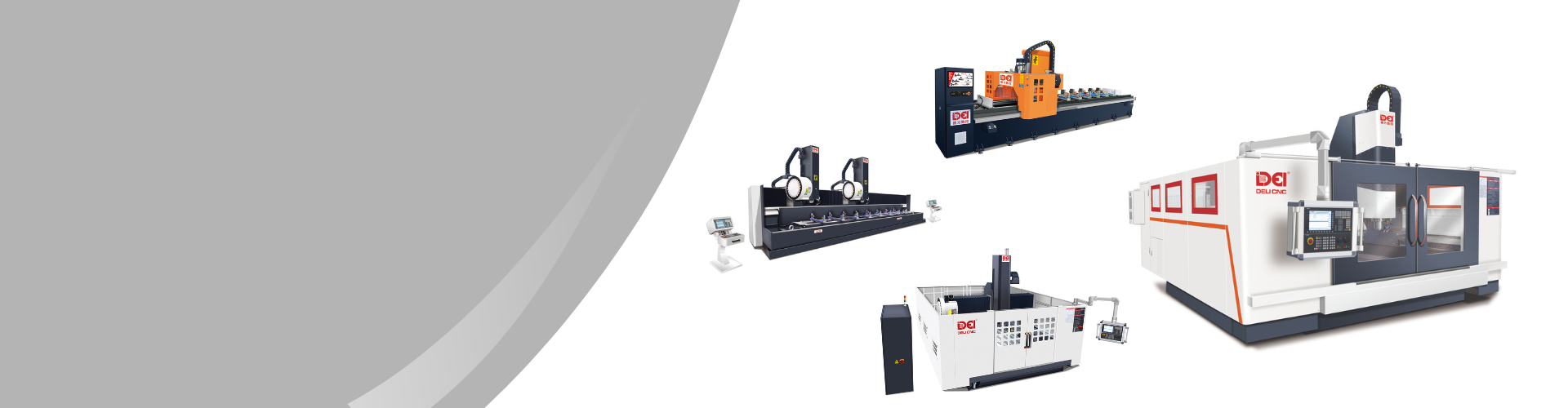
DELICNC's handle precision milling, drilling, and tapping on compact aluminum components where accuracy matters more than envelope. For long or wide workpieces such as facade sections, rail parts, or large EV structural pieces, a keeps the part stationary under a moving bridge, which avoids the deflection and repeated clamping that distort long profiles. Picking the right footprint means one setup, one program, and no intermediate handling loss.
The selection rule is simple. Match the machine envelope and rigidity to the part, not to the catalog. A shop that buys one oversized machine to do everything usually pays for it in energy, cycle time, and scrap on the small parts.
Tight tolerances and stable fixtures reduce rework
Scrap from error is the waste you feel most, because it arrives after you have already paid for everything. Two things prevent most of it: a machine that holds its tolerance through a long run, and a fixture that holds the part without bending it.
Aluminum is soft and springs back. Over-clamp it and the hole drills true but the part relaxes out of spec after release. Under-clamp it and vibration ruins the surface. DELICNC designs its vertical and gantry centers around rigid columns and box ways precisely so the cut stays consistent from the first part to the thousandth. Pair that rigidity with purpose-built fixtures and the repeat scrap rate drops sharply.
For buyers, the check is not the brochure tolerance. It is how the machine holds that tolerance at the end of a shift, at temperature, on a real part. That is where stable waste reduction lives.
Switch to MQL to cut coolant waste
Flood coolant is the default in many shops, but for aluminum it is often overkill. Minimum quantity lubrication (MQL) delivers a fine mist of oil straight to the cutting edge, enough to cool and lubricate the chip without bathing the whole machine in emulsion. The benefits line up directly with waste reduction.
You stop buying, filtering, and disposing of large volumes of coolant. You keep the aluminum chips dry, which makes them far more valuable to the recycler and easier to handle. You reduce the washing and drying steps that otherwise add time and another fluid loop. DELICNC supplies machines built around quality spindles and control systems from partners such as Mitsubishi, Siemens, and FANUC, and these platforms handle MQL aluminum cutting cleanly when the program and parameters are set for it.
MQL is not a fit for every job, but for the high-volume aluminum profile and component work most DELICNC customers run, it removes an entire waste stream while protecting the chips you want to recover.
Recycle aluminum chips and offcuts as a planned step
Once you have cut waste, recover its value. Aluminum chips and offcut are a sold asset, not trash, but only if you treat them that way from the start.
Keep cutting fluid out of the chip bin so the material stays clean and commands a better price. Separate alloys where practical, because mixed scrap sells lower. Bale or containerize offcuts so they go back to the supplier or smelter instead of the dumpster. Some DELICNC customers close the loop by returning consistent offcut to their extruder for re-extrusion, which turns a loss into a negotiated credit.
The point is to design the recovery into the layout. A chip conveyor that drops into a marked, dry bin costs little and pays back every week.
Software and process controls that prevent scrap
The cheapest scrap is the scrap you never make. Modern CAM and machine control make that achievable without heroics.
Nest parts in software before cutting, as noted above. Simulate the program so a wrong tool path crashes on screen, not on the part. Use tool life monitoring so a worn cutter gets swapped before it tears a surface. Track first-pass yield by shift so a drifting process is caught in ten parts, not ten thousand.
DELICNC treats this as a partnership, not a one-off sale. The waste-reduction plans that stick are the ones where the machine, the fixture, and the program are specified together. A line built as one system wastes less than three machines bolted together after the fact.
A complete DELICNC line for low-waste aluminum production
For a facade or window producer, the cleanest setup is one planned flow. DELICNC's integrates drilling, milling, tapping, chamfering, and cutting into a single automated workflow, so a mullion or transom moves through one cell instead of bouncing between stations. Each handoff removed is a chance for error and offcut loss removed with it.
For furniture and custom home producers, DELICNC's capability covers aluminum frame lines where nesting and cut planning decide most of the material cost before a blade moves. The same logic applies to PV bracket and rail work, where long runs reward consistent, planned cutting.
When sawing, machining, and fabrication share one data set and one supplier, the waste reduction is structural. You are not chasing scrap after the fact. You designed it out at the front of the line.
FAQs
What is the biggest source of aluminum machining waste?
For profile and extrusion work, offcut from cutting to length is usually the largest loss, followed by chips from milling and drilling. Planning the cut before machining recovers most of it.
How much material can nesting save?
It depends on the mix, but fabricators commonly recover several percent of bar length just by cascading short parts into the offcut of longer ones. On high-volume window or door runs that adds up to real money.
Does MQL work for aluminum?
Yes. Aluminum cuts cleanly with minimum quantity lubrication in most component and profile work. MQL keeps chips dry for easier recycling and removes most of the coolant disposal burden.
Will double-head sawing reduce scrap?
It helps directly. Cutting both ends in one synchronized pass removes the angle and length errors that reject parts. Combined with a good nest it is the fastest offcut win for profile shops.
Can aluminum chips be recycled?
They can, and they should be planned as a recoverable asset. Keep them dry and separated by alloy so they sell at a better rate, and return clean offcut to the extruder where the relationship allows.
How do I stop scrap from clamping distortion?
Use fixtures sized to the part and avoid over-clamping soft aluminum. Rigid machine columns and box ways hold the cut steady so the part relaxes into spec instead of out of it.
Conclusion
You do not reduce aluminum machining waste by buying a greener machine. You do it by planning the cut, matching the machine to the part, keeping chips dry, and building the line as one system. DELICNC has spent more than 14 years building exactly that kind of line for automotive, EV, facade, furniture, and PV producers, and the waste reduction shows up in the monthly material cost, not just the sustainability report.