
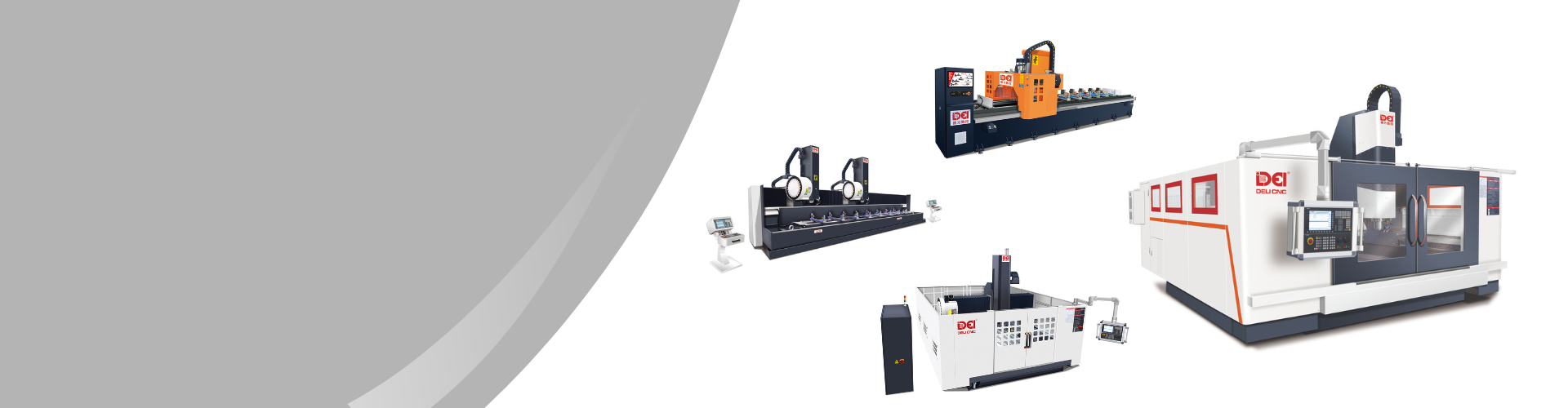
A double head saw can cut both ends of an aluminium profile in one cycle, which improves speed and repeatability in batch production.
A single head saw is usually easier to set up for one-off cuts, repair work, and small custom jobs.
CNC double head saws are better suited to window, door, and curtain wall factories that need consistent lengths and mitre angles across many profiles.
A single head saw has a lower purchase cost and a smaller footprint, but it depends more on operator measurement and setup.
The better choice depends on production volume, tolerance requirements, available space, and the real cost of labour and rework.
Introduction
For aluminium window and door fabrication, the saw you choose affects more than cutting speed. It affects frame accuracy, rework, labour use, floor layout, and how easily your shop can scale.
A single head saw and a double head saw can both cut aluminium profiles. They are not built for the same workflow. A single head saw works well when jobs change often and quantities are low. A double head saw makes more sense when the same lengths and mitre angles are repeated across many frames.
This guide compares the two machines in practical terms, without assuming that the more automated machine is always the right one.
What is a single head saw
A single head saw has one cutting head. The operator sets the cutting angle, positions the profile, clamps the material, and makes one cut at a time. To cut both ends of a profile, the material must be repositioned or measured again for the second cut.
In aluminium fabrication, single head saws are commonly used for:
custom window and door work
small-batch orders
repair and replacement pieces
on-site or auxiliary cutting
workshops that process many different profile types in low quantities
The main appeal is simplicity. A single head saw is usually easier to buy, install, move, and maintain. For a small shop, that matters.
The trade-off is that the operator has more work to do. Every manual measurement and angle setting creates a chance for small variation. A skilled operator can still produce accurate work, but the process is slower when the same cut must be repeated many times.
What is a double head saw
A double head saw has two cutting heads mounted on the same machine bed. On many models, one head is fixed and the other moves along a guide rail to set the cutting length. When the profile is clamped, the two heads can cut both ends in the same cycle.
Modern double head saws for aluminium window and door production often include CNC or NC control, servo positioning, digital length input, angle presets, and batch cutting functions. DELI's own double head saw product pages describe machines with dual blades, synchronized cutting, CNC angle control, servo drive, linear guide rails, and applications in aluminium windows, doors, curtain walls, and structural frames.
That does not mean every double head saw has the same accuracy, automation level, or software. Entry-level double head saws may be semi-automatic. High-end CNC models can store programs, position heads automatically, and support repeat production with less manual setup.
Double head saw vs single head saw: key differences
| Factor | Single head saw | Double head saw |
|---|---|---|
| Cutting method | Cuts one end at a time | Can cut both ends in one cycle |
| Best fit | Custom work, low volume, mixed jobs | Batch production, repeated lengths, factory lines |
| Setup | Mostly manual | Manual, NC, or CNC depending on model |
| Repeatability | Depends heavily on operator setup | More consistent when properly calibrated |
| Speed | Slower for two-end profile cutting | Faster for repeated two-end cuts |
| Floor space | Smaller | Larger, needs space for long profiles |
| Upfront cost | Lower | Higher |
| Maintenance | Simpler | More systems to maintain: saw heads, guides, pneumatics, servo/CNC controls |
Cutting efficiency and production speed
The biggest difference is cycle time.
With a single head saw, the operator usually cuts one end, repositions the profile, checks the length or stop, and cuts the other end. With a double head saw, both ends can be cut in one clamped setup. For repeated frame components, that removes a lot of handling.
It is fair to say that a double head saw is usually faster for batch production. It is not accurate to promise a fixed speed gain such as "two to four times faster" for every workshop. The real improvement depends on profile length, cutting angle, clamping method, operator workflow, loading and unloading time, and whether the machine is manual, semi-automatic, NC, or CNC.
For a factory cutting hundreds of similar aluminium profiles, the gain can be large. For a shop making one custom frame at a time, the setup time of a CNC double head saw may not pay off on every job.
Accuracy and angular consistency
A double head saw is often chosen for frame accuracy. Cutting both ends in the same setup helps keep the profile length and mitre relationship consistent. CNC positioning also reduces manual measuring errors, especially in repeat batches.
Single head saws can still be accurate. The difference is repeatability. On a single head saw, the result depends more on the operator's measuring, stop setting, angle setting, and handling of the profile. That may be acceptable for small runs, but variation becomes more expensive as production volume increases.
For aluminium windows, doors, and curtain wall frames, consistent mitre cuts reduce gaps during assembly and can reduce the need for rework. The exact tolerance, however, depends on the specific machine model, blade condition, profile support, calibration, and operator practice. Do not assume that every CNC double head saw will deliver the same tolerance.
CNC automation and control
CNC double head saws are designed to reduce repetitive manual setup. Depending on the machine, the operator may be able to enter cutting lengths and angles through a control screen, store common sizes, and process batches from a programmed list.
Common automation features may include:
digital length input
automatic movement of the movable head
angle presets or CNC angle adjustment
batch cutting programs
servo-driven positioning
pneumatic clamping
barcode or production-data integration on some higher-end systems
These features are useful when a factory repeats the same profiles and frame sizes. They are less important if the work changes constantly and the batch size is small.
A single head saw may have digital readouts or stops, but it normally does not provide the same level of automated positioning and batch control.
Material waste and rework
A double head saw can reduce waste when it improves measuring accuracy and repeatability. Fewer wrong lengths and fewer angle mistakes mean fewer scrapped profiles.
Still, the machine itself does not guarantee low waste. Waste depends on cutting lists, nesting or optimization software, profile stock lengths, operator handling, blade quality, and quality control. Some CNC systems can support better cut-list planning, but this varies by model and software package.
A single head saw has a higher risk of manual measurement error, especially when cutting many similar pieces under time pressure. For small custom jobs, though, the flexibility of a single head saw can be more useful than automated optimization.
Operator dependency and labour cost
A single head saw depends heavily on the operator. The operator measures, adjusts, checks, cuts, and repeats. A good operator can produce good parts, but labour time per profile is higher.
A double head saw shifts more of the work into machine setup and programmed positioning. Once the job is set correctly, repeat cuts need less manual measurement. This can lower labour cost per piece in high-volume production.
There is another side to this: CNC machines need training. Operators must understand the control system, clamping, calibration, blade selection, and safety procedures. Maintenance staff may also need to handle pneumatic, servo, or control-system issues.
Machine footprint and workshop layout
A single head saw is usually easier to fit into a small workshop. Some models can be moved or placed in a compact cutting area.
A double head saw needs more floor space. The machine bed must support long aluminium profiles, and the workshop needs clear space for loading and unloading. A factory should plan the saw together with racks, profile trolleys, assembly benches, and material flow. If operators have to carry long profiles across the shop to reach the saw, some of the speed advantage is lost.
Where a single head saw works best
Choose a single head saw when:
production volume is low or inconsistent
jobs are mostly custom or one-off
floor space is limited
the budget cannot support CNC equipment yet
operators need quick manual adjustments
the saw is used as a backup or support machine
For startups and small fabrication shops, a good single head saw can be the more practical first purchase. It keeps the investment manageable while still covering common aluminium profile cutting needs.
Where a double head saw works best
Choose a double head saw when:
the shop cuts repeated window, door, or curtain wall profiles
both-end mitre accuracy matters
production bottlenecks are caused by measuring and repositioning
labour cost per piece is rising
rework from length or angle errors is expensive
the workshop has enough space and trained operators
For large aluminium window and door factories, a CNC double head saw is often part of the core production line. It is especially useful when the same cut lists are repeated across many orders.
Cost and ROI considerations
A single head saw usually costs less to buy and install. It also has simpler maintenance needs. That makes it attractive for small shops and businesses that are still testing demand.
A double head saw costs more because it includes two cutting assemblies, a longer machine bed, clamping systems, and often CNC or servo components. Installation, training, spare parts, software, and floor preparation should be included in the budget.
Published machine prices vary widely by brand, configuration, country, automation level, and options. Supplier examples show semi-automatic and CNC double head saws ranging from a few thousand dollars to much higher figures, but there is no single reliable global price range that applies to every market. For a real purchase decision, request quotations based on your profile size, cutting length, angle range, control system, and after-sales support requirements.
ROI is also case-specific. A double head saw may pay back quickly in a busy factory if it removes a bottleneck, reduces labour per unit, and cuts rework. In a low-volume shop, the same machine may sit idle for much of the day. Calculate ROI from your own numbers:
profiles cut per day
average labour time per profile
scrap and rework rate
value of orders lost because of slow cutting
machine purchase and installation cost
maintenance and blade cost
expected utilization rate
Avoid choosing by purchase price alone. The cheaper machine is not always cheaper per finished frame, and the more automated machine is not always the better investment.
How to choose between a double head saw and a single head saw
Start with your workflow, not the machine brochure.
Ask these questions:
How many aluminium profiles do you cut in a normal shift?
How many of those cuts are repeated lengths and angles?
Where do errors happen now: measuring, angle setting, clamping, blade quality, or material handling?
Is cutting actually the bottleneck, or is assembly, glazing, or logistics slower?
Do you have space for a long machine bed and safe loading area?
Can your team maintain and calibrate CNC equipment?
Will future orders justify the higher machine cost?
If your work is mostly custom and low volume, a single head saw is usually the safer choice. If you already have steady batch production and cutting is limiting output, a double head saw is worth serious consideration.
Conclusion
A double head saw is better for repeated, high-volume aluminium window, door, and curtain wall production. It cuts both ends of a profile in one cycle and, with CNC control, can improve repeatability across large batches.
A single head saw is better for smaller workshops, custom jobs, and flexible cutting where the lower cost and simpler setup matter more than maximum throughput.
The right answer depends on your daily production mix. If you are planning a new fabrication line or upgrading from manual cutting, compare the machines using your own cut lists and labour data. That will tell you more than a generic speed or ROI claim.
FAQs
Is a double head saw more accurate than a single head saw?
A double head saw is generally more repeatable for batch mitre cutting because both ends can be cut in one setup and CNC positioning reduces manual measurement error. A well-set single head saw can still be accurate, especially in the hands of a skilled operator.
Which saw is better for aluminium window production?
For regular aluminium window production, especially repeated frame sizes, a double head saw is usually the better fit. For small custom window jobs or repair work, a single head saw may be more practical.
Is a CNC double head saw worth the investment?
It is worth considering if your shop has enough volume to use it every day and if cutting speed or manual measurement errors are limiting production. For low-volume work, the higher cost may not be justified.
Can a single head saw support batch production?
Yes, but usually only at smaller batch sizes. As volume increases, manual repositioning and repeated setup become bottlenecks.