
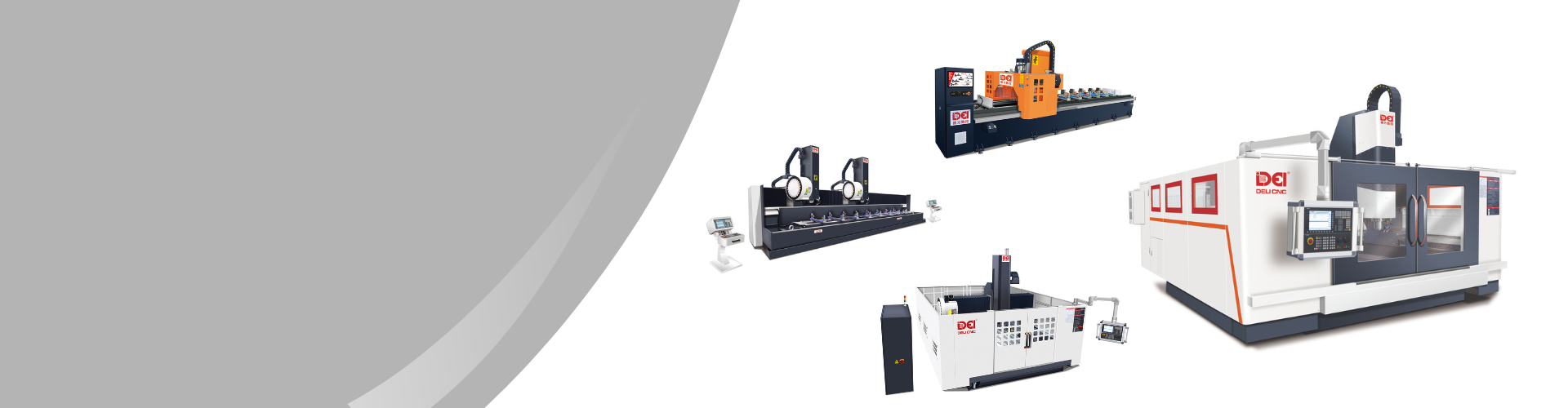
Curtain Wall Fabrication Equipment Buying Guide
Many buyers ask for a machine price first. Send drawings and profile samples first. Long, thin-wall curtain wall profiles need stable support, controlled clamping, enough travel, and repeatable positioning. Spindle power matters, but profile handling decides much of the finished result.
Use this buying guide to compare equipment types, key specifications, procurement risks, and supplier questions before you choose a curtain wall fabrication equipment configuration.

What Is Curtain Wall Fabrication Equipment
Curtain wall fabrication equipment processes aluminum profiles for curtain wall, facade, window, door, and architectural aluminum applications. Fabricators use these machines to prepare cut lengths, installation holes, drainage slots, connector positions, bracket interfaces, fastener points, and project-specific details.
A curtain wall workshop can use several machines instead of one universal machine. The production flow can include profile cutting, CNC drilling, milling, tapping, slotting, end processing, inspection, and fit-up preparation.
Common workpieces include:
Curtain wall aluminum profiles
Door and window profiles
Architectural aluminum profiles
Long aluminum parts
Brackets and connectors
Aluminum plates and custom components
CNC equipment reduces manual measuring, repeated marking, secondary handling, and hole-position variation. It also helps production teams keep batches consistent when one building project repeats the same profile pattern across many parts.

What Machines Are Used in Curtain Wall Fabrication
Curtain wall profile production combines cutting equipment, profile machining equipment, and support CNC machines. The equipment mix comes from the product range and factory workflow.
| Process | Equipment to compare | Why it matters |
|---|---|---|
| Profile cutting | Double head sawing machine | Cuts aluminum profiles to length and angle before machining or fit-up |
| Drilling and milling | Curtain wall CNC fabrication equipment | Processes holes, slots, mounting points, and profile details |
| Tapping and slotting | CNC profile machining equipment | Reduces manual secondary operations and repeated handling |
| End processing | End milling or CNC machining equipment | Prepares profile ends for connectors and installation fit |
| Large or long-part machining | CNC Gantry Machining Center | Supports long aluminum parts, large frames, and oversized components |
| Small aluminum components | CNC vertical machining center | Machines brackets, connectors, plates, and custom parts |
A factory that cuts simple profiles can start with a double head saw. A factory that handles project-based curtain wall profiles needs CNC profile machining for repeated holes, slots, and connector details. A workshop that also produces brackets, connectors, frames, or long structural aluminum parts may need vertical or gantry CNC equipment.
Key Equipment Types for Aluminum Curtain Wall Profiles
Curtain Wall CNC Fabrication Equipment
serves as the core machine category for many aluminum curtain wall profile workshops. It handles profile drilling, milling, tapping, slotting, and related machining tasks based on machine configuration.
This equipment fits profiles that need repeated holes, slots, mounting positions, drainage features, connector preparation, or multi-step processing. Compared with manual drilling and marking, CNC profile machining reduces operator-dependent variation and improves batch repeatability.
Check these items before quotation:
Maximum profile length
Supported profile width and height
Number of machining faces
Axis configuration
Spindle power and speed
Tool capacity
Clamp design
Profile support method
Programming and CAD/CAM workflow
Safety guarding and access control
Choose curtain wall CNC equipment when the factory processes aluminum curtain wall profiles in batches with repeated hole or slot patterns.
CNC Vertical Machining Center
A fits aluminum brackets, connectors, plates, small parts, and custom components used in curtain wall systems. It gives manufacturers flexibility for parts that do not need long-profile support.
A vertical machining center can support a curtain wall workshop that produces:
Mounting brackets
Connection plates
Small aluminum blocks
Custom machined accessories
Prototype or low-volume components
Do not assume a general CNC machine can replace profile-specific equipment. A standard vertical machining center must match the workpiece size, fixture, travel, and loading method before it can handle curtain wall parts.
CNC Gantry Machining Center
A fits large workpieces, long aluminum parts, oversized frames, large panels, molds, and architectural components that exceed the working range of a vertical machining center.
Gantry machines provide large travel and wide table support. They help when a part needs stable machining across a large area or when fixtures take up more space than the part.
For curtain wall and architectural aluminum work, confirm that the gantry machine matches the actual material and process. A machine built for heavy steel cutting may not fit high-speed aluminum profile work. Compare spindle speed, chip evacuation, fixture strategy, table access, and profile support before purchase.
Double Head Sawing Machine
A cuts aluminum profiles to consistent length and angle before CNC machining or installation work.
Compare these items:
Maximum and minimum cutting length
Supported cutting angles
Saw blade diameter and speed range
Positioning method
Profile support
Clamping method
Cutting surface finish
Dust and chip collection
Guarding and emergency stop design
Poor cutting accuracy creates problems in machining and fit-up. A stable cutting process gives downstream CNC operations more consistent blanks.
Key Specifications to Compare Before Buying
A specification sheet helps when you compare it against real drawings. Before selecting a machine, prepare the longest profile, largest cross-section, required machining faces, required holes and slots, material information, tolerance targets, and expected per-shift output.
| Specification | What to check | Why it matters |
|---|---|---|
| Maximum profile length | Supported machining or cutting length | Long curtain wall profiles need enough travel, loading space, and support |
| Profile section range | Maximum width and height | The fixture must hold the profile shape without distortion |
| Axis configuration | 3-axis, 4-axis, 5-axis, or multi-side processing | Complex profiles may need machining on several faces |
| Spindle power | Rated power and duty fit | Milling stability comes from the tool, material, and operation |
| Spindle speed | Maximum RPM and usable speed range | Aluminum machining can benefit from higher cutting speeds when tooling and rigidity allow it |
| Tool magazine capacity | Number of available tools | Multi-process jobs may need drilling, milling, tapping, chamfering, and slotting tools |
| Positioning accuracy | Machine positioning capability | Hole locations affect installation fit |
| Repeatability | Batch consistency | Project-based facade work often repeats the same profile pattern many times |
| Clamping system | Pneumatic, hydraulic, manual, or automatic | Clamping affects stability, setup time, and profile deformation risk |
| Profile support | Roller tables, supports, fixtures, or custom tooling | Long and thin-wall profiles need support along their length |
| Software compatibility | CAD/CAM, drawing import, program management | Better data flow reduces manual input errors |
| Control system | CNC controller and interface | Operators need a workflow they can learn and maintain |
| Machine footprint | Required floor space and loading area | Long profiles need space before and after the machine |
| Power and air requirements | Electrical service and compressed air | Installation planning affects startup cost and workshop layout |
| Safety features | Guards, interlocks, emergency stops, dust collection | Safety belongs in the buying decision |
Do not buy from maximum capacity numbers alone. A machine can accept a certain profile length and still need suitable supports, clamps, tool access, and safe loading space.
How to Choose the Right Curtain Wall Fabrication Equipment
1. Define Your Profile Type
Start with the workpiece, not the machine catalog. A supplier needs the profile length, cross-section, wall thickness, material grade, visible surfaces, clamping surfaces, and machining locations.
Key profile categories include:
Curtain wall profiles
Window and door profiles
Standard aluminum profiles
Architectural aluminum parts
Connectors and brackets
Thin-wall aluminum profiles can deform under poor clamping. Long profiles can sag or shift if support is weak. Complex sections may need custom clamps or machining from several sides.
2. List the Required Processes
List every operation before comparing equipment. Common operations include:
Cutting
Drilling
Milling
Tapping
Slotting
End milling
Multi-side machining
Chamfering
Marking or identification
If one profile needs several operations, integrated CNC profile machining can reduce repositioning and manual handling. If the workshop needs length cutting as the first stage, a double head saw can cover that step.
3. Match Machine Type to Production Volume
Order type and production volume drive the equipment configuration.
| Production situation | Recommended direction |
|---|---|
| Small batches with many profile types | Flexible CNC profile machining equipment |
| Medium or high-volume curtain wall profiles | Curtain wall CNC fabrication equipment |
| Long aluminum profiles or oversized parts | CNC Gantry Machining Center |
| Cutting-focused door and window production | Double head sawing machine |
| Brackets, connectors, and small aluminum parts | CNC vertical machining center |
| Workshop upgrade from manual work | Double head saw plus curtain wall CNC equipment |
High automation helps when profiles repeat across many parts. Flexible machines help when the workshop changes profiles from job to job. The right choice comes from drawings and production mix.
4. Decide the Required Automation Level
Curtain wall fabrication equipment can include manual positioning, semi-automatic positioning, automatic clamping, automatic feeding, automatic tool change, and CAD/CAM-connected programming.
Higher automation can reduce manual work and improve consistency, but it also affects price, training, maintenance, and operator requirements. Match automation to production volume and staff capability instead of automatically choosing the highest specification.
5. Check Fixture and Clamping Design
Fixture design can decide production performance. Long aluminum profiles need stable support along the length. Thin-wall sections need clamps that hold the part without crushing or twisting it. Different profile sections may need different clamp positions.
Ask the supplier to review real profile drawings before quotation. A useful review covers clamping surfaces, tool access, part loading, machining sequence, and part stability during drilling, milling, or tapping.
6. Compare Total Cost, Not Machine Price Alone
Machine price is one part of the buying decision. Total cost includes tooling, fixtures, software, training, installation, maintenance, spare parts, downtime risk, workshop layout, and future profile compatibility.
A cheaper machine can cost more if it creates rework, limits profile types, slows changeovers, or lacks service support. An advanced machine can also be a poor fit if the factory does not need its automation level. Compare cost against the full production workflow.
Curtain Wall CNC Equipment Buying Checklist
Use this checklist before requesting a quotation:
What is the maximum curtain wall profile length?
What profile width and height can the machine clamp?
Can the machine process the required profile faces?
Can it drill, mill, tap, and slot in one setup?
What spindle power and speed does the machine provide?
How many tools can the machine hold?
What positioning accuracy and repeatability does the machine offer?
How does the clamping system prevent profile movement or deformation?
Can the software import drawings or support CAD/CAM workflow?
How does the machine manage chips and dust?
What guarding, interlocks, and emergency stops does the machine include?
How long does a standard changeover take?
What operator training does the supplier provide?
What spare parts does the buyer need?
Does the supplier provide installation, commissioning, and remote support?
Can the supplier review profile drawings before quoting?
Does the supplier have experience with curtain wall or aluminum profile projects?
Safety and Compliance Factors to Review
Curtain wall fabrication exposes operators to saw blades, rotating tools, moving axes, clamps, sharp aluminum edges, chips, and dust. Include safety in equipment selection from the start.
OSHA machine-safety guidance emphasizes guarding for moving machine parts and points of operation. ISO 12100 frames machine safety around risk assessment and risk reduction. Buyers need to check guards, emergency stops, safe loading access, chip control, maintenance access, and operator training.
For aluminum profile cutting and machining, review:
Blade and tool guarding
Emergency stop locations
Interlocked doors or covers where applicable
Chip and dust collection
Clamp safety
Safe loading and unloading areas
Lockout and maintenance procedures
Operator training materials
Electrical and pneumatic system documentation
Local safety rules, buyer-country requirements, and factory policies vary. Ask the supplier for machine documentation before shipment and confirm the installation environment before delivery.
Common Mistakes to Avoid When Buying Curtain Wall Fabrication Equipment
Choosing by Price Alone
A low machine price can lead to higher tooling, rework, downtime, and service costs if the equipment cannot hold stable production quality. Compare price against repeatability, support, fixtures, software, and service.
Assuming Any CNC Machine Can Process Curtain Wall Profiles
General CNC machines may not support long profiles, special cross-sections, multi-side processing, or stable clamping. Profile machining needs suitable travel, supports, clamps, and tool access.
Ignoring Profile Length and Support
Long aluminum profiles need enough travel, loading space, and support. Poor support can affect hole position, surface finish, and repeatability.
Overbuying Functions the Factory Does Not Need
A factory does not need maximum automation for every order. Match machine configuration to real profile types, batch size, operator skill, and budget.
Ignoring Software and Programming Workflow
Programming method, drawing import, job management, and CAD/CAM workflow affect production efficiency. A machine with good mechanical capability can still slow production if programming takes too long.
Forgetting After-Sales Service
Curtain wall projects often run under delivery pressure. Check installation, training, spare parts, and remote support before purchase.
Buying Machines Without Planning the Workflow
Cutting, machining, inspection, and fit-up preparation should work as one production flow. A fast CNC machine will not solve bottlenecks caused by poor cutting, slow loading, weak fixtures, or missing inspection steps.
Questions to Ask Your Equipment Supplier
Ask these questions before choosing a machine:
What curtain wall profile sizes can this machine process?
Can the machine drill, mill, tap, and slot in one setup?
How many sides of the profile can the machine process?
What is the maximum machining length?
What accuracy can the machine hold during batch production?
What clamping system do you recommend for our profile drawings?
Can the machine support our CAD/CAM or drawing workflow?
What tools and fixtures should we prepare?
How does the machine control chips and dust?
What guarding and emergency stop features are included?
What training is included after installation?
What spare parts do you recommend for the first year?
Can you support custom fixtures for special profiles?
Do you have experience with export packaging and overseas installation support?
Can you help us choose between curtain wall CNC equipment, a CNC Gantry Machining Center, and a double head saw?
A supplier should discuss the application, not the model number alone. Send drawings and process requirements before asking for a final quotation.
Equipment Combination Examples
Different workshops need different equipment combinations. Use the table below as a starting point.
| Workshop need | Possible equipment combination |
|---|---|
| Basic aluminum profile cutting | Double head sawing machine |
| Curtain wall profile cutting and machining | Double head saw plus curtain wall CNC fabrication equipment |
| Door, window, and curtain wall profile processing | Double head saw plus curtain wall CNC equipment with flexible fixtures |
| Long aluminum parts and large profiles | CNC Gantry Machining Center plus profile cutting equipment |
| Curtain wall brackets and connectors | CNC vertical machining center |
| Full aluminum profile production upgrade | Double head saw, curtain wall CNC equipment, and support CNC machining center |
The right solution comes from drawings, profile length, machining steps, production volume, workshop space, and part flow between cutting, machining, and installation preparation.

Why Supplier Experience Matters
Curtain wall fabrication equipment is more than a machine purchase. The supplier needs to understand aluminum profiles, project-based production, fixture design, machining steps, installation requirements, and operator training.
A useful supplier discussion covers:
Profile drawing review
Process planning
Machine configuration advice
Fixture and tooling suggestions
Installation and commissioning support
Operator training
Spare parts planning
Remote troubleshooting
Export packaging and documentation