
A Guide to Choosing and Standardizing CNC Fixtures for Manufacturing Operations
The risk is not choosing the wrong fixture once. The larger risk is losing control after production scales. One operator uses a makeshift clamp to save time. Another shop buys a modular system that lacks rigidity for heavy cuts. A subcontractor orders a custom fixture without considering the machine's thermal stability. Six months later, the same part fails inspection on different machines, and setup times spiral out of control.
CNC fixture standardization is the process of defining approved workholding solutions, machining specifications, material rules, and testing procedures so every machine cell can hold parts with the same precision and efficiency.
For manufacturing procurement and process engineering, a usable standard answers four practical questions: what to use, how to set it up, how to maintain it, and how to scale it.
1. Start With the Machining Requirements, Not the Catalog
Review the part drawings and process plans before comparing fixture catalogs. A fixture can look perfect in a CAD model and fail under real cutting forces. Portion size, sauce volume, and food height define the plate; similarly, cutting forces, part geometry, and cycle time define the fixture.
Group Parts by Machining Function Group manufacturing needs by how the machine interacts with the part:
Prismatic parts requiring multi-sided milling
Thin-walled components prone to deflection
Long or irregular shafts and extrusions
High-volume production runs requiring rapid changeover
Complex 5-axis contours requiring tool clearance
This grouping keeps the fixture SKU count under control. It forces process engineers to decide which workholding strategy belongs to which part family before capital is spent.
2. Understand Fixture Types and Their Real-World Limits
Fixtures carry the highest responsibility in the machining process. They shape the machine’s ability to hold tolerance and achieve efficient cycle times. Four primary types cover most CNC service needs.
| Fixture Type | Best For | Key Advantage | Limitation |
|---|---|---|---|
| Modular Grid Systems | High-mix, low-to-medium volume jobs. | Rapid setup, reusable components, flexible layout. | Slightly lower rigidity than solid custom blocks. |
| Tombstone Fixtures | Horizontal machining centers, multi-sided parts. | Machines 4+ sides in one setup, maximizes spindle uptime. | Requires high machine rigidity and significant table space. |
| Custom Machined Fixtures | High-volume production, complex geometries. | Maximum rigidity, perfect part conformity, "load and go" operation. | High upfront cost, inflexible to design changes. |
| Zero-Point Clamping | Pallet systems, repetitive batch production. | Sub-micron repeatability, offline setup, seconds to change. | Requires compatible machine interface and higher initial investment. |
3. Modular vs. Custom: Build a Controlled Fixture System
Too many fixture SKUs create operational problems. A large inventory may look flexible during process planning, but it makes setup training harder, increases storage costs, and leads to inconsistent clamping forces across shifts.
Build a Core Set Before Adding Specialty Items A practical core fixture set includes:
Standard modular grid plates and risers
Common vise jaws and step clamps
Baseline tombstones for horizontal/5-axis work
Zero-point pallet interfaces
When Specialty Items Help Custom machined fixtures serve a clear purpose: high-volume signature parts, complex aerospace brackets, or dedicated automation cells. Adding a custom fixture just because it "looks rigid" creates storage pressure, setup confusion, and replacement problems.
The most stable programs pair a durable modular core collection with a small number of controlled custom fixtures for high-value, high-volume menu items (parts).
4. Specify Every Fixture, Then Lock It Down
Specifications are where standardization lives. Without clear documentation, operators and buyers order similar-looking fixtures that drift from the original standard. Two "10-inch modular plates" from different suppliers may have different grid spacing, locating hole tolerances, and surface finishes.
Fixture Specification Template Use this template to keep decisions clear across engineering, operations, and suppliers.
| Field | What to Record |
|---|---|
| Fixture Name / Code | Internal engineering code and supplier code |
| Target Machine Model | e.g., Deli CNC VMC-850, specific table size and T-slot layout |
| Part Family | Specific part numbers or geometric characteristics this fixture serves |
| Primary Material | e.g., Stress-relieved cast iron, 6061-T6 aluminum, hardened steel |
| Clamping Method | e.g., Manual toggle, hydraulic, pneumatic, zero-point |
| Required Clamping Force | Calculated force in Newtons or lbs to resist maximum cutting torque |
| Datum Reference | Primary, secondary, and tertiary locating points |
| Chip/Coolant Management | Drainage holes, chip shields, or coolant through-spindle requirements |
| Approved Sample Reference | Master sample number or first-article inspection report |
For custom fixtures, the approved sample should be archived and used as the reference for future production or replacement. Without that reference, a supplier discussion can turn into a subjective debate about whether the new fixture is "close enough."
5. Match the Fixture to the Machine's Capability
This is the most overlooked factor in manufacturing. A perfect fixture cannot compensate for a CNC machine with poor structural rigidity, ball screw backlash, or thermal drift.
Heavy Cutting & Tombstones: Require a machine with massive castings, oversized guideways, and high-torque spindles.
High-Speed Finishing: Requires a machine with thermal stability and advanced vibration dampening.
Automation & Zero-Point: Requires a machine with a highly repeatable pallet interface and robust chip management.
6. Test Fixtures Under Real Shop Conditions
Do not approve fixtures from CAD renders or catalog photos. Test samples with real parts and real service conditions, organized into three checks:
Machining Check: Run actual cutting cycles at maximum recommended parameters. Confirm part stability, surface finish, tolerance holding, and absence of chatter.
Setup Check: Time the operator loading and unloading the part. Confirm the fixture is intuitive, requires minimal adjustment, and feels stable in a busy production environment.
Operations Check: Run full coolant flush cycles. Test chip evacuation. Confirm that chips do not accumulate on the locating datums, which would ruin repeatability.
A fixture that looks suitable on a sample table can fail in service. Testing catches problems before the shop commits to tooling for a full production run.
7. Common Mistakes to Avoid
Most fixture programs fail because teams leave small decisions undocumented or prioritize initial cost over operational reality.
Selecting fixtures before testing real parts: A catalog approval is not a machining approval.
Ignoring machine rigidity: A perfect fixture cannot compensate for a CNC machine with thermal drift or frame vibration.
Failing to document exact specifications: Without a master sample and spec sheet, "the same fixture" becomes a different fixture on the next reorder.
Ignoring chip and coolant management: A fixture that traps chips or blocks coolant flow will cause premature tool wear and inconsistent surface finishes.
Lowest unit price creates the highest long-term cost: A cheap fixture that wears quickly, traps chips, or requires constant re-indication costs the shop more in lost spindle time than it saved at the quote stage.
8. How Deli CNC Supports System-Level Machining Solutions
For manufacturing operations, the machine builder's role should go beyond selling a standalone CNC. Multi-cell projects need a partner that understands how machine rigidity, pallet interfaces, and automation readiness support advanced workholding.
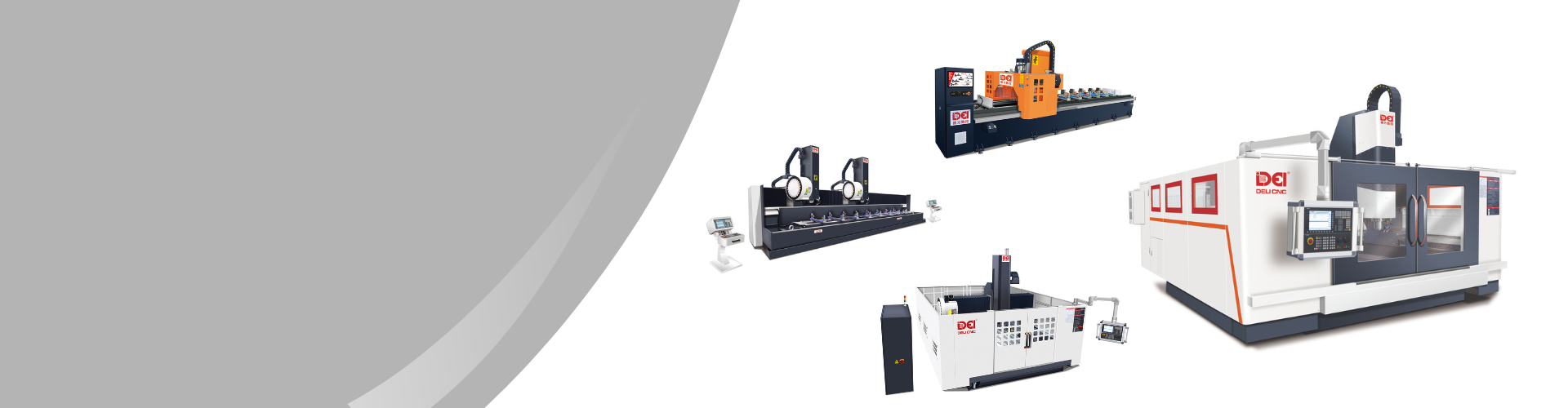
At Deli CNC, we approach workholding as a system-level engineering challenge. Our vertical and gantry machining centers are engineered from the ground up to provide precise pallet interfaces, heavy-duty cutting rigidity, and thermal stability, ensuring that advanced fixtures perform exactly as designed.
Practical Checklist for CNC Fixture Standardization Use this checklist before approving a new workholding system:
Group parts by machining function and cutting forces.
Build a core modular fixture set before adding custom pieces.
Fill out the Fixture Specification Template for every approved item.
Match the fixture type to the target machine's rigidity and capabilities.
Test samples with real parts under real cutting parameters.
Confirm chip evacuation and coolant flow do not compromise datums.
Archive master samples and lock down specifications.