
Aluminum CNC Machining: How DELICNC Stops the Warping
That gap between "cut clean" and "held flat" is where aluminum CNC machining lives or dies. This article explains why aluminum warps on a CNC line, how machine structure and process choices keep it flat, and which DELICNC machine types fit the parts that give most shops trouble. The practical goal is simple: make the first piece flat, keep every later piece flat, and stop paying for scrap. DELICNC builds its aluminum centers around that goal.
Why aluminum warps more than it should
Aluminum has roughly double the thermal expansion of steel. A spindle that runs warm, a tool that rubs instead of shears, or a coolant path that misses the cut can push local temperature up fast. As the metal heats it grows, and as it cools it pulls the part out of shape. On a thick block the effect is small. On a 2 mm battery tray floor or a long curtain wall mullion it is enough to fail inspection.
Three forces drive most warping on a CNC line:
Heat from the cut. Rubbing, dull tools, and slow feed rates generate heat that the part absorbs. Aluminum conducts heat well, so the whole workpiece moves, not just the cut zone.
Clamping stress. A part held hard to flatten it stores elastic energy. The moment the clamp releases, it springs back toward its natural shape. Over clamping a thin aluminum part is the fastest way to ruin a batch.
Residual stress release. Extruded and rolled aluminum carries internal stress. Removing material on one side lets the remaining metal shift. A panel milled flat in the fixture can bow the instant it is unclamped.
DELICNC sees this pattern across EV, rail, and curtain wall lines, where parts are large, thin, and expected flat. The fixtures exist, the programs exist, but the part still moves. Structure and process, not effort, decide the outcome, and DELICNC designs its aluminum lines around that fact.
How machine structure fights warping
The single biggest lever is how rigidly the machine holds the part and the spindle through the cut. A flexible frame lets the tool deflect, which raises cutting force and heat, which raises warping. A stiff frame keeps the tool where the program put it.
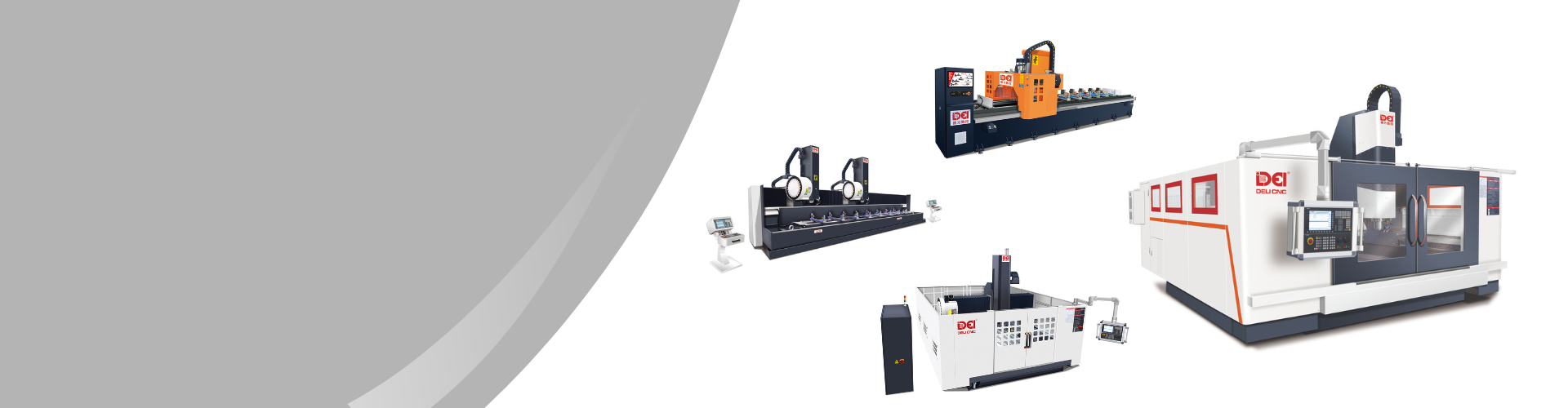
The is built for exactly this. The double-column gantry structure spans large aluminum work and supports it close to the cut, so a wide tray or panel does not cantilever and flex mid-machining. For shops making battery trays, roof panels, and long structural sections, that support is the difference between a part that holds flat and one that creeps.
For smaller aluminum parts in high mix, the gives a rigid, compact frame with a tool changer sized for mixed jobs. The stability matters most on thin-walled brackets and housings where a small deflection shows up as a visible warp.
DELICNC builds these centers around proven components: linear guides and ballscrews from THK and NSK, drives from MITSUBISHI, and control options from SIEMENS, FANUC, and MITSUBISHI. That supply base is part of why the frames stay accurate under long aluminum runs, not just on the showroom floor.
EV battery trays: the warping case that matters most
No aluminum part exposes warping like an EV battery tray. The tray is large, thin, and flatness-critical, and it is produced in volume. A tray that warps after machining cannot seat cells, cannot seal, and cannot pass final audit. The cost of a warped tray is not just the scrap, it is the line stopped behind it.
The standard fix is to machine the tray in one clamp on a large gantry or 5-axis center, removing the second setup that introduces a new locating error and a new chance to distort. DELICNC covers this in depth on the , which walks through machine selection, fixture strategy, and the accuracy work that keeps thin aluminum trays in tolerance.
A 5-axis gantry variant machines the tray from angles that avoid deep, heat-heavy side milling, so the floor stays flat and the part stays put. The extra axes only help because they let you skip the second setup. Fewer clamps means less heat, so the tray comes off the machine already flat.
Long aluminum parts and rail sections
Rail transit and structural aluminum run into a different version of the same problem. A long extrusion that is straight and true on arrival can twist across its length if the machine supports it at only two points or if a single heavy pass loads one side.
For these parts, span and support beat raw travel. The gantry structure that helps a tray also helps a 6 meter rail section, because the work is held steady along its length instead of hanging between centers. DELICNC details the part types and line layouts on the , which is a good next read for shops handling extrusions and structural members.
Curtain wall and furniture lines face the same truth in smaller form. Long mullions and frame members must stay straight through cutting, drilling, and tapping, or the assembled wall or cabinet reads crooked. The machine that holds the part still holds the tolerance.
Process steps that stop warping
Structure sets the ceiling, but process decides whether you reach it. These are the changes DELICNC recommends to shops fighting aluminum warp:
Use sharp tools and climb milling. A sharp cutter shears aluminum instead of rubbing it, which cuts heat at the source. Climb milling loads the tool consistently and keeps the heel from dragging.
Raise feed, watch the rub. Slow, hesitant passes generate more heat than confident ones. Stable rigidity lets you feed up without chatter, which keeps the part cool.
Take light passes on thin floors. A deep pass on a 2 mm wall bows it. Several light passes let the part relax between cuts instead of fighting one big load.
Cool the cut, not just the shop. Targeted coolant or mist at the tool point pulls heat out where it forms. Flooding the cabinet does little if the tip stays hot.
Release and re-measure. For critical flat parts, a light release and re-clamp between roughing and finishing lets residual stress show before the finish pass, not after shipping.
Standardize fixtures. Dedicated, repeatable fixturing keeps locating points fixed so the part sits the same way every time. A well-run shop rarely re-indicates a part that was set yesterday.
None of these need new iron. They need the machine to be rigid enough that the process can run the way it should.
Material matters: 6061 versus 6082
Most shops run 6061-T6, and for good reason. It machines cleanly and finishes well. 6082 is stronger but a touch harder on tools, so it needs sharper edges and a slightly different feed plan. The warping risk is similar, but the tool life math changes. Picking the alloy for the job, not by habit, keeps both scrap and tool cost down.
DELICNC applications engineers review the alloy, wall thickness, and batch size before recommending a configuration. A tray line and a furniture frame line may both cut aluminum, but the right spindle, travel, and support are not the same. Matching the machine to the part is what keeps warping off the table.
What warping costs on the balance sheet
A warped part is not a single lost unit. It is machine time already spent, material already bought, and a gap in the shipment behind it. Multiply that across a week of changeovers and the lost spindle hours add up to real money.
DELICNC designs its lines so the spindle spends more of the shift removing saleable material and less of it making parts that get scrapped. Rigid structure lowers the heat and deflection that cause warp. Single-clamp 5-axis work removes the second setup that adds error. Standardized fixturing shortens changeover so small batches stay profitable. The saving shows up as yield, not as a line item.
For a plant manager weighing the purchase, the math is simple: a flatter part per shift is a lower cost per part, and a lower cost per part protects margin when volumes rise.
How to choose the right DELICNC machine for aluminum
DELICNC starts from the part, not the spec sheet:
Small to medium aluminum parts, high mix: the MC vertical machining center handles brackets, plates, and housings with the rigidity thin walls need.
Large trays, panels, and long sections: the MD gantry machining center spans the work and supports it close to the cut, which is the core guard against warp.
Volume tray or structural work needing multiple faces: a 5-axis gantry variant machines in one clamp and removes the distortion a second setup brings.
Long extrusions and rail members: the same gantry logic plus span support keeps length straight.
The DELICNC EV battery tray and long aluminum parts solution pages both show real part types and line layouts. Use them to see which structure fits your work before you size travel or spindle.
Buyer checklist: stop aluminum warp before you buy
Part size and wall thickness: does the machine span and support the largest thin part you run?
Batch mix: high mix favors a fast tool changer; volume trays favor single-clamp 5-axis.
Heat control: are spindle speed and coolant matched to aluminum, not borrowed from steel settings?
Fixturing: can you standardize locators so every part sits the same way?
Support and service: will the supplier help tune feeds and fixtures after install, not just ship iron?
DELICNC has shipped aluminum lines into EV, rail, and curtain wall production, and supports them with the same components and service backbone that keep the first part flat on day one and day one thousand.
FAQs
Does aluminum CNC machining always warp?
No. Flat parts come from rigid machines, sharp tools, and light, cool passes. Warping appears when heat, clamping stress, or residual stress win over those controls.
Why does my part look flat in the fixture but warps after release?
The clamp is holding it flat. When you release it, stored elastic energy and released residual stress move the metal. A lighter clamp plus a support structure that holds the part during cutting reduces the spring-back.
Is 5-axis worth it for aluminum trays?
For large thin trays it usually is, because one clamp removes a second setup and its error. The gain is flatness and yield, not just cycle time.
Which DELICNC machine is best for long aluminum sections?
The gantry structure with span support, as used on the MD series and the long aluminum line, holds length straight better than a center that supports the part at two points.
How do I cut aluminum waste?
Sharp tools, climb milling, and right-sized passes cut both scrap and tool cost. DELICNC reviews the drawing and batch to propose a configuration that targets yield, not just speed.
Conclusion
If warping is costing you scrap or slowing your line, send DELICNC your part drawing, material, wall thickness, and batch size. The team will review the workholding and machine configuration and suggest a practical path to flatter parts and lower cost per piece.